Skip to content

Biennale  /  Country hubs  /  Germany

Country hubs · Free to read · Updated October 8, 2026

Country hub · Europe

Art in Germany

No country pays for art through more hands than Germany, and in autumn 2026 the fight is over which of those hands may attach conditions to the money.

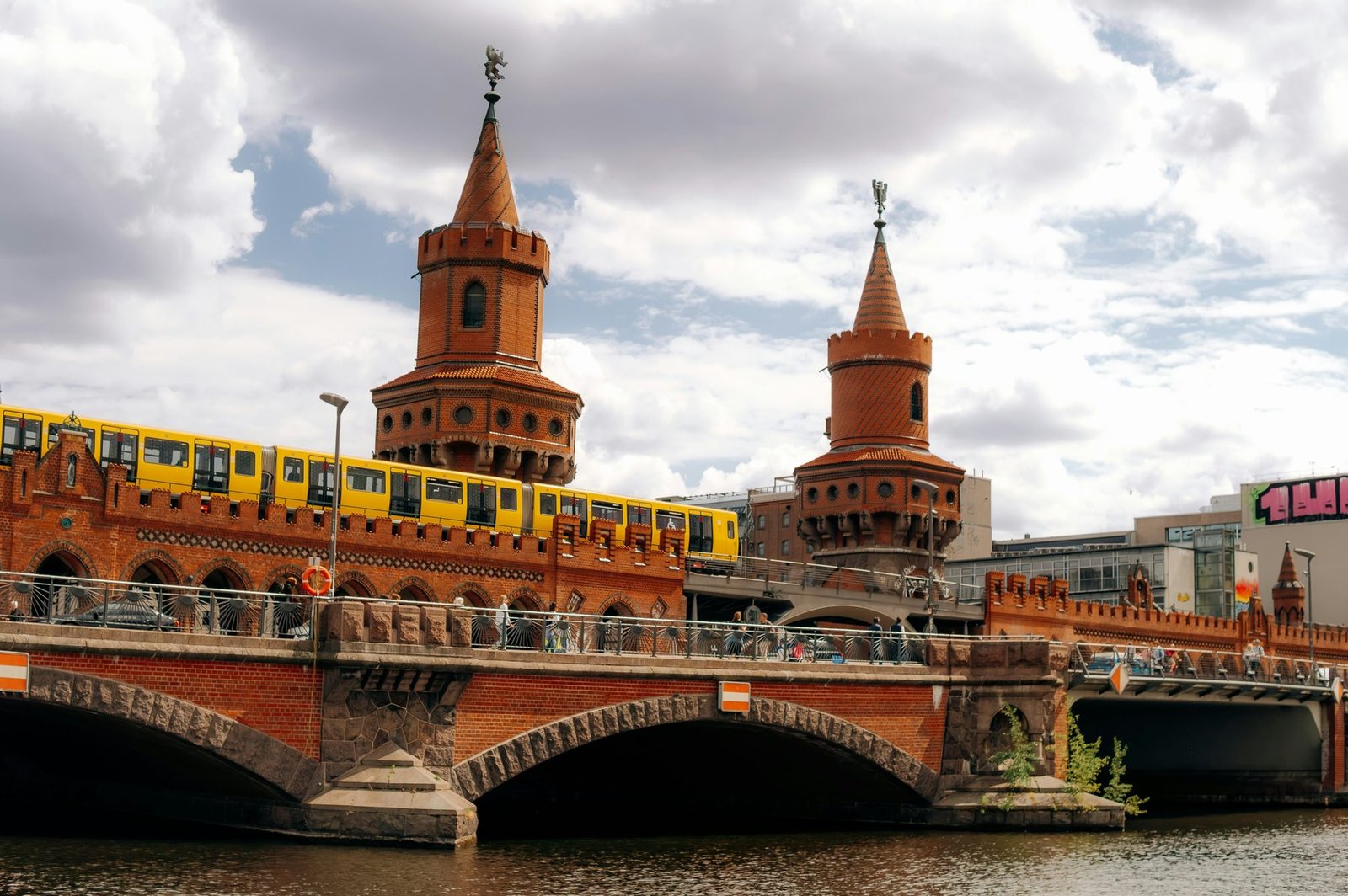
A red-brick double-deck bridge with two pointed towers spans a river while a yellow train runs along its upper level
A yellow U-Bahn train crossing the Oberbaum Bridge, Berlin. Photo: Kseniia Poroshkova.

Autumn 2026

Sixteen Paymasters

Germany has no ministry of culture. It has 16 states that hold culture as their own business, cities and towns with museums and art societies of their own, and a federal commissioner with the rank of minister of state and a budget of about €2.57 billion. German museums and exhibition houses counted 107.4 million visits in 2024, according to the Institut für Museumsforschung. The arrangement keeps any one government at a distance from what artists make, and for decades that distance has been its protection.

The thesis of this page is that in autumn 2026 the dispersal is being tested from both ends. Money is the first test. Berlin, where about 10,000 artists are waiting for a studio, has cut its culture budget twice, lost two culture senators in a year, and on September 20 elected a new parliament in which the governing coalition no longer has a majority. Conditions are the second test. Since the antisemitism scandal at documenta 15 in 2022, and with more force since October 7, 2023, the question of what public money may show has divided institutions, artists and Jewish organizations. On September 6 the Alternative für Deutschland (AfD) won 43.8% of the vote in Saxony-Anhalt, the home of the Bauhaus, on a program that asks funded culture to declare itself for Germany.

A visitor will find the buildings open and the calendar full. Art Cologne runs November 5 to 8. In June 2027 documenta 16 opens in Kassel one day before Skulptur Projekte opens in Münster, a pairing that happens once a decade, and the Berlin Biennale follows the same summer. What has changed is the argument behind the doors: who pays, and what the payer may ask in return.

Below: the market, the politics, the public, then six places to start, a calendar and the institutions to plan around. Biennale is free to read.

The market

A Tax Cut and a Falling Line

The German trade got the reform it had asked for and then had a bad year. Sales of art and antiques in Germany fell 10% in 2025, according to the Art Basel and UBS Global Art Market Report 2026, which sets the German and Italian slowdowns against a French rise of 9%. Sales across the European Union as a whole rose 3% to an estimated $8.4 billion, and the world market grew 4% to $59.6 billion, as the German press agency dpa summarized it in March. Germany, in other words, went down while its neighbors went up. The report’s dollar figure for German sales could not be confirmed for this page. 2025 German sales total in dollars not found

The 7% question

The timing is awkward for the dealers’ case. Since January 2025 art sold by galleries and dealers has carried VAT of 7% in place of 19%, a return to the rate the trade lost in 2014. The dealers’ association, the Bundesverband Deutscher Galerien und Kunsthändler, lobbied for about 10 years, arguing that the higher rate closed galleries and discouraged new ones, The Art Newspaper reported when the cabinet approved the change. Claudia Roth, then the federal culture commissioner, said the reduced rate was an important signal for the art market, and for the cultural contribution of galleries, in difficult times. The first year under the new rate was a year of decline. That does not prove the cut failed; it shows that a tax rate cannot outweigh a weak economy and cautious buyers. France now taxes art at 5.5% and Italy at 5%, as the France page sets out, so the German advantage lasted less than a year.

Cologne in November

The main fair is the measure of the trade’s mood. The 59th Art Cologne runs November 5 to 8 with 164 galleries from 22 countries, according to the fair’s press office. Its director is Daniel Hug. The fair has also gone abroad: Art Cologne Palma Mallorca held its first edition in April with 88 galleries from 20 countries, and a second is set for April 1 to 4, 2027.

The rest of the calendar is regional, as the country is. Art Düsseldorf is set for April 8 to 11, 2027, at the Areal Böhler, by the organizer’s account, which gives April 8 as the preview and opening day; the trade directory messen.de lists April 9 to 11. Art Karlsruhe is listed for February 18 to 21, 2027, by the trade directory messen.de. Berlin has no large fair and has built two substitutes. Gallery Weekend Berlin held its 22nd edition from May 1 to 3, 2026, with 50 galleries and seven more in a new sector, according to its press release. Berlin Art Week marked its 15th year from September 9 to 13 with more than 100 partners and over 300 events, its organizers announced, with Positions Berlin as the attached fair.

The salerooms

German auctions belong to German houses. Ketterer Kunst in Munich, which calls itself Germany’s number one, reported eight lots above €1 million at its December 2025 sales, led by a set of 10 Andy Warhol Marilyn Monroe prints at €4,488,000 and Wassily Kandinsky’s Behauptend at €3,135,000. Grisebach in Berlin, and Lempertz and Van Ham in Cologne, complete the group. Annual totals for the four houses were not gathered for this page.

−10%German art sales in 2025 (Art Basel and UBS)
7%VAT on art sales since January 2025 (The Art Newspaper)
164galleries at Art Cologne, November 5–8, 2026 (Art Cologne)
$8.4bnart sales across the whole EU in 2025 (Art Basel and UBS)
Biennale

“The only thing we can do is stick together, not let ourselves be intimidated, and take a stand.”

— Andreas Beitin, director, Kunstmuseum Wolfsburg, in The Art Newspaper, September 3, 2026

Politics and money

Who May Attach Strings

Under the federal system the states control culture and education, as Reuters put it in a June report from Dessau. The federal part belongs to the Beauftragter der Bundesregierung für Kultur und Medien, the commissioner for culture and media. Since May 2025 that has been Wolfram Weimer, a conservative journalist and publisher who edited Die Welt and Focus and founded the magazine Cicero. His appointment was questioned for his lack of an arts background, The Art Newspaper reported at the time.

Weimer has had money to hand out. The federal culture and media budget for 2026 is about €2.57 billion, about 10% more than the year before, with up to €120 million extra for cultural building projects, according to the federal government. The draft for 2027 is where the choices show. Film funding, announced in May at €250 million, is planned at about €200 million, the trade service turi2 reported in July. Support for pop music is cut, with Initiative Musik down 22%, while the Bayreuth Festival receives an additional €1 million, as a critical commentary in der Freitag set out. 2027 federal culture budget total not found

Berlin, twice cut

The sharper cuts have come at state level, above all in Berlin. The city took €130 million out of its 2025 culture budget, The Berliner reported. The two-year budget that followed sets the operating budget for culture at about €957 million in 2026, against €1.026 billion in 2025, rising to about €975 million in 2027, according to the Senate’s own announcement of December 2025. The culture senator of the day, Sarah Wedl-Wilson, stressed that no institution would have to close.

The artists’ association bbk berlin describes the result from below. The state’s studio program has been cut by more than half; investment in state-owned studio buildings falls from over €21 million to €3 million in 2026 and to nothing from 2027; about 10,000 artists are registered as looking for a studio, and roughly 25 applicants are turned away for each one who succeeds, the association said in a January statement.

“I don’t understand the shortsightedness of politics. Berlin has no industry.”

— Frauke Boggasch, co-spokesperson of the artists’ association bbk berlin, in the association’s press release, January 27, 2026

The politics have been as unstable as the budget. Joe Chialo resigned as culture senator in May 2025, citing the cuts. Wedl-Wilson, his successor, asked to be dismissed on April 24, 2026, after the state audit office found that the funding of 13 antisemitism-prevention projects worth €2.6 million had been unlawful, approved without criteria after members of the governing CDU pressed for it (the two members accused of undue influence deny it), according to Deutsche Wirtschafts Nachrichten and Der Tagesspiegel. The finance senator, Stefan Evers, added culture to his portfolio until the election. On September 20 Die Linke finished first with 25.7%, ahead of the CDU on 18.8%, by the preliminary result the Stuttgarter Zeitung published; the party invited the Greens and the SPD to exploratory talks, ZDF reported, and by October 3 the three were still holding preliminary talks, according to the press agency dpa. Berlin’s next government and culture senator not yet known

The clause

The longer argument is about conditions. At documenta 15 in 2022 a work with antisemitic imagery was shown with public money. The managing director resigned. In 2023, after October 7, the committee choosing the next artistic director resigned in a body, once it emerged that one member had signed an open letter of the boycott movement against Israel, as a Perlentaucher column recounts. A year later the Bundestag passed a resolution on protecting Jewish life that says no public money should go to projects that spread antisemitism, question Israel’s right to exist or call for its boycott, and asks the states to use the International Holocaust Remembrance Alliance (IHRA) definition of antisemitism when they review funding. It is not legally binding. It passed with a large majority that included the AfD, according to The Local.

The Central Council of Jews in Germany supported the resolution. Its president, Josef Schuster, had said after documenta 15 that the scandal was the tip of an iceberg and that the cultural sector played down the boycott movement, as the Jüdische Allgemeine reported. Weimer, after meeting Israel’s ambassador in August 2025, said Jewish and Israeli artists were reporting disinvitations and boycott calls, and called their exclusion from stages a form of present-day antisemitism, the same paper reported. On the other side, Amnesty International said the resolution reached far into basic rights and funding rules, and 33 Jewish organizations critical of Zionism wrote that it reduced Jewish life to the state of Israel, The Local reported. The artist Fareed Armaly declined the Käthe Kollwitz Prize in February 2025, citing a “disturbing trend of censorship in Germany.” The Akademie der Künste, which awards the prize, replied through its president, Manos Tsangaris, that it opposed boycotts and political influence alike and was resisting an ideological vetting of funding, according to The Art Newspaper.

Kassel under a code

documenta wrote the argument into its rules. Its code of conduct treats the IHRA definition as binding on the organization and reserves the right to comment on works it judges to conflict with its principles, ArtReview reported in February 2025. Naomi Beckwith, the artistic director of documenta 16, told Die Zeit in September 2026 that she had not signed it, on the grounds that art in Germany is free and that politicians must not appear to influence the exhibition’s content, by the account of the press review Perlentaucher. She also said some invited artists had declined, some because they felt unable to show what they wanted in Germany and others over Germany’s position on the war in Gaza; neither names nor a number were given, as Finestre sull’Arte noted. She said she understood the need for solidarity and support but that entrenched sides would get no one anywhere, by Hyperallergic’s account of the interview, which was published in German. The Jüdische Allgemeine welcomed her appointment in 2024 and doubted that any documenta could now avoid controversy.

Magdeburg

The right has its own clause. In June the AfD group in the Saxony-Anhalt parliament proposed that recipients of cultural funding pledge commitment to “German national culture”; the motion was defeated. Hans-Thomas Tillschneider, the party’s cultural spokesperson, told The Art Newspaper that anyone who wants state funding will have to declare that they are for Germany and not against it, and that their art is meant to contribute positively to German culture. He told Reuters that the Bauhaus institution would be safe and that his party, while clear about what it would and would not support, did not want to forbid anything. Barbara Steiner, director of the Stiftung Bauhaus Dessau, which had nearly 180,000 visitors last year and depends on state grants, expects pressure through budgets, not bans, according to The Art Newspaper.

On September 6 the AfD took 43.8% and 39 of 83 seats, three short of a majority, by the Konrad-Adenauer-Stiftung’s analysis. The outgoing cabinet remains in office as a caretaker, and the AfD’s lead candidate, Ulrich Siegmund, has said he will stand for minister-president in December, the Stuttgarter Zeitung reported on October 6. In neighboring Saxony the state’s own culture council warned in August that the draft budget for 2027 and 2028 could cut the funding arm of the state cultural foundation by up to half, according to Sachsen Fernsehen. The squeeze in the east is fiscal as well as political.

Two kinds of return

Restitution is the field where federalism has been made to work. A court of arbitration for Nazi-looted cultural property began work on December 1, 2025, replacing the advisory commission. Claimants can now bring a case without the consent of the museum, and panels drawn from 36 arbitrators issue binding awards, according to the German Lost Art Foundation. First awards of the arbitration court not found Bavaria, whose state painting collections lost their director in 2025 after reports of delayed restitutions, approved in July an independent provenance unit and a claims panel chaired by Raphael Gross. “We need a structure that has distance from the state,” said the Bavarian culture minister, Markus Blume, in The Art Newspaper’s report. For colonial collections the federal government and the 16 states agreed on March 30 to create a coordination council for returns. More than 1,100 Benin Bronzes were transferred to Nigeria in 2022; the Ngonnso figure promised to Cameroon the same year has not yet been handed over, the paper noted.
Society

The Members and the Visitors

The public is not the problem. The 107.4 million museum visits of 2024 were 1.3% more than the year before. In Berlin the museums of the Stiftung Preußischer Kulturbesitz held steady at about 3.6 million visits in 2025 even as tourism to the city fell. The Neue Nationalgalerie drew 608,000, which the foundation says makes it the most visited art museum in Germany, and the Hamburger Bahnhof about 445,000, according to the foundation’s annual figures.

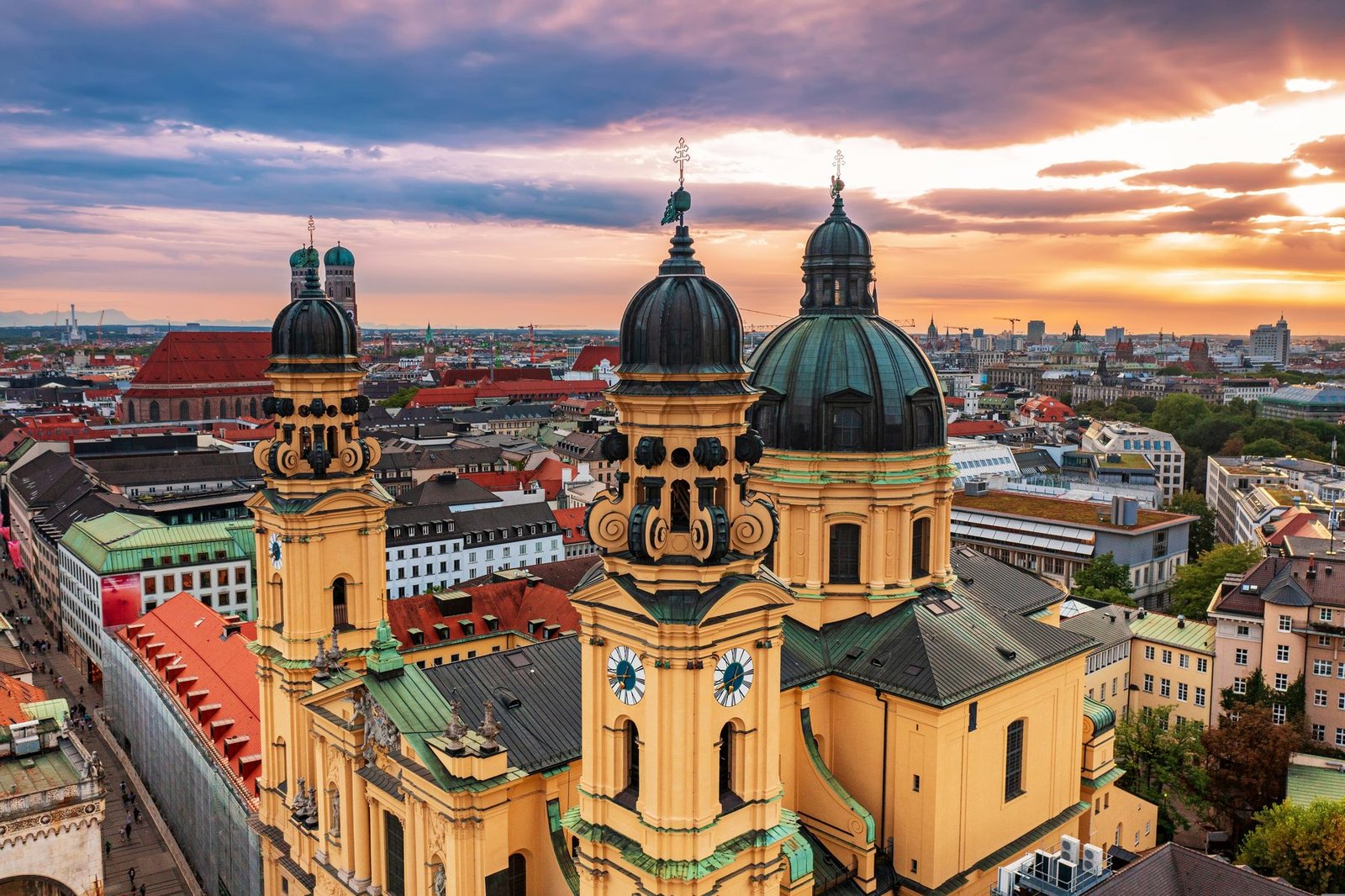
A yellow Baroque church with a dark green dome and twin towers seen from above, with city rooftops and an orange and purple sky
The Theatine Church at sunset, Munich.

A form found nowhere else

What sets Germany apart is how much of its contemporary art is shown by citizens’ associations. The Kunstverein is a membership society that runs an exhibition space. There are more than 300 of them with about 120,000 members, and in 2021 the idea and practice of the Kunstverein was entered in Germany’s national register of intangible cultural heritage, as the culture ministry of North Rhine-Westphalia recalled in May when it announced €425,000 for 19 projects by 15 of them. Art Cologne’s annual prize for Kunstvereine went in 2026 to the societies in Ludwigshafen and Siegen. The Kölnischer Kunstverein, the Kunstverein München and Berlin’s n.b.k. are the ones a visitor is most likely to meet.

A network of members is harder to steer than a state theater. It also lives on small sums, as the North Rhine-Westphalian figures show.

Buildings, late and dear

The federal showpieces run to a different clock. The museum of 20th-century art at Berlin’s Kulturforum, branded berlin modern, was meant to open in 2026 when ground was broken in 2019. Moisture damage in the unfinished shell has pushed completion to 2030, and the forecast cost is €507 million, up from roughly €200 million, the Berliner Zeitung reported in April. The Pergamonmuseum, closed for renovation, reopens its north wing and central section on June 4, 2027, with the Pergamon Altar and the whole Museum of Islamic Art; the south wing stays shut, and the full new presentation is planned from 2037, according to the Staatliche Museen.

The directors of the Hamburger Bahnhof, Sam Bardaouil and Till Fellrath, planned a fundraising gala for the museum’s 30th anniversary in March. Museums will increasingly need more than one source of funding, because relying on the state alone can be a problem for their independence, Fellrath told The Art Newspaper.

East and west, in Venice and Chemnitz

Germany’s pavilion at the Venice Biennale, open until November 22, is about the country the Federal Republic absorbed. Ruin, curated by Kathleen Reinhardt, pairs Sung Tieu, who has covered the Nazi-era facade with a mosaic of the East Berlin block that housed Vietnamese contract workers, and Henrike Naumann, whose installation of furniture treats East Germany as a home front, according to the pavilion’s announcement. Naumann died in February at 41, having finished the concept. Reinhardt has objected that the German press wrote about the artists as East German women: “It was not about the art,” she told Artnet News.

Chemnitz, in Saxony, ended its year as European Capital of Culture in November 2025 with about two million visitors and fewer foreign ones than hoped, ZDF reported. Keeping the momentum on a tight city budget is the open question there.

Twelve churches

Manifesta 16 Ruhr closed on October 4 after 15 weeks in 12 postwar churches in Duisburg, Essen, Bochum and Gelsenkirchen, chosen from about 200 disused ones the organizers visited. “We gave 12 different models of how these churches can be reused,” the director, Hedwig Fijen, told The Art Newspaper. The critic Tina Sotiriadi, in Burlington Contemporary, doubted its larger claim: “Its aim to become an ‘incubator for change’ is a utopian promise. As such, it can only partially fulfil it.” Admission was free. Final Manifesta 16 attendance not found

The cities

Six Places to Start

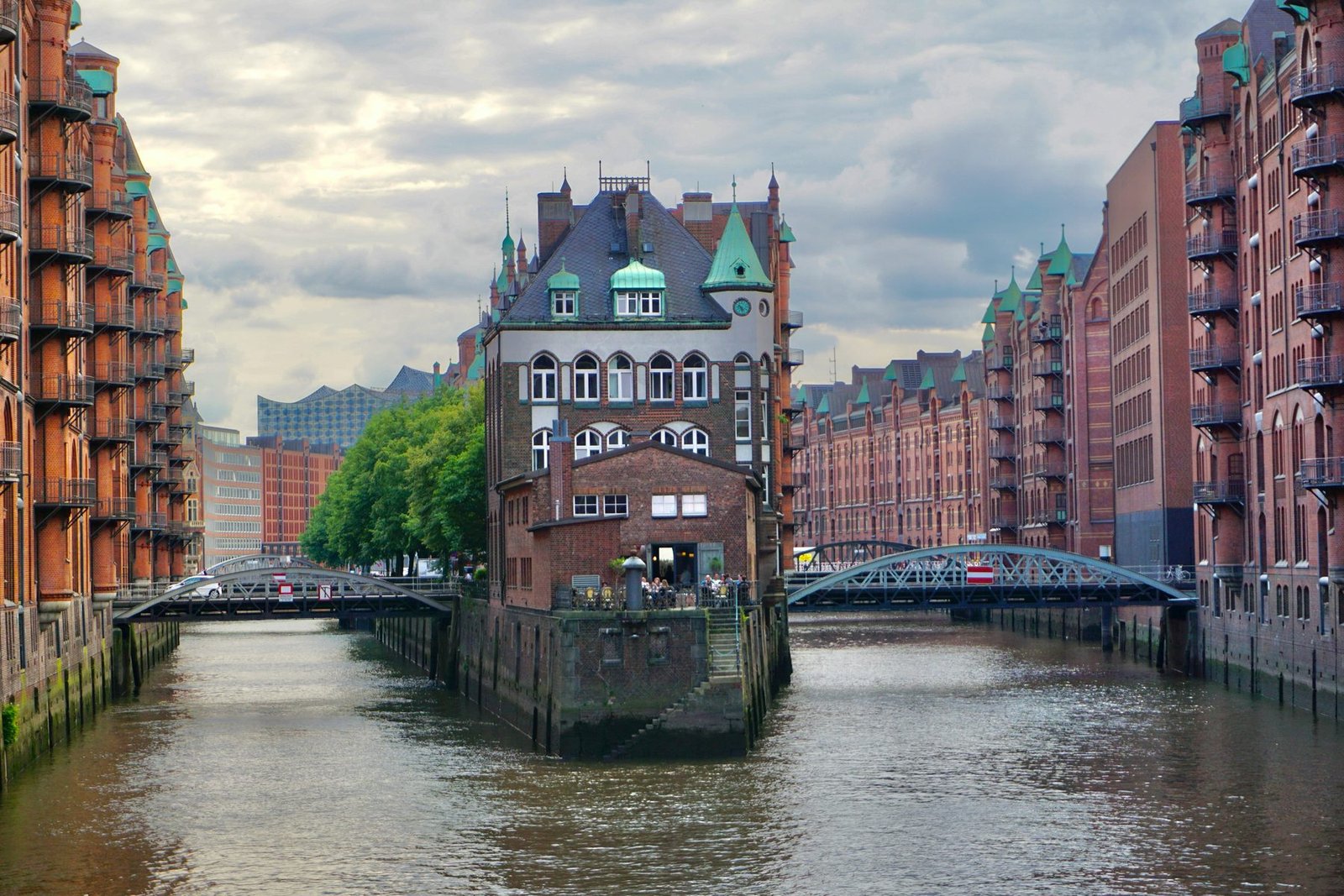
Red-brick warehouses line a canal, with a turreted brick building on a point between two iron bridges
The Wasserschloss in the Speicherstadt warehouse district, Hamburg.

Germany has no Paris. The capital has the artists, the Rhineland has the trade, Munich has the money and the salerooms, and the two exhibitions the world travels for are held in a mid-sized city in Hesse and a university town in Westphalia. Frankfurt and Hamburg have directory pages of their own and museums to justify a stop.

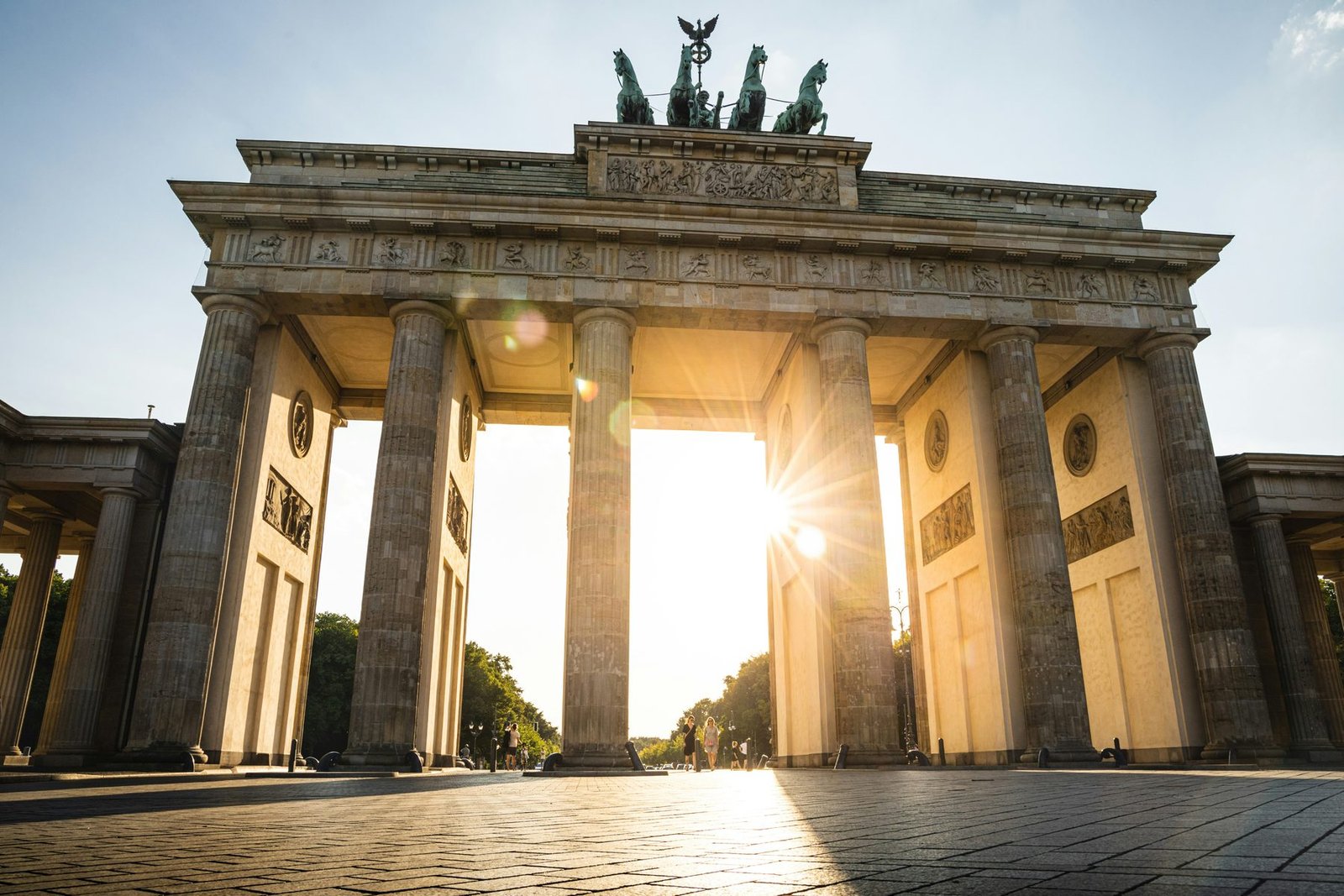
A neoclassical stone gate topped by a chariot sculpture, seen from a low angle with the sun shining between its columns

The capital

Berlin

Where the artists live and the budget shrinks. The Neue Nationalgalerie and the Hamburger Bahnhof for the national collections, KW for the Berlin Biennale, and a gallery scene that shows itself in May and September. The Pergamon Altar returns on June 4, 2027.

The Brandenburg Gate with the sun behind its columns, Berlin. Photo: Simon Vollformat.

City pageBerlin BiennaleKW

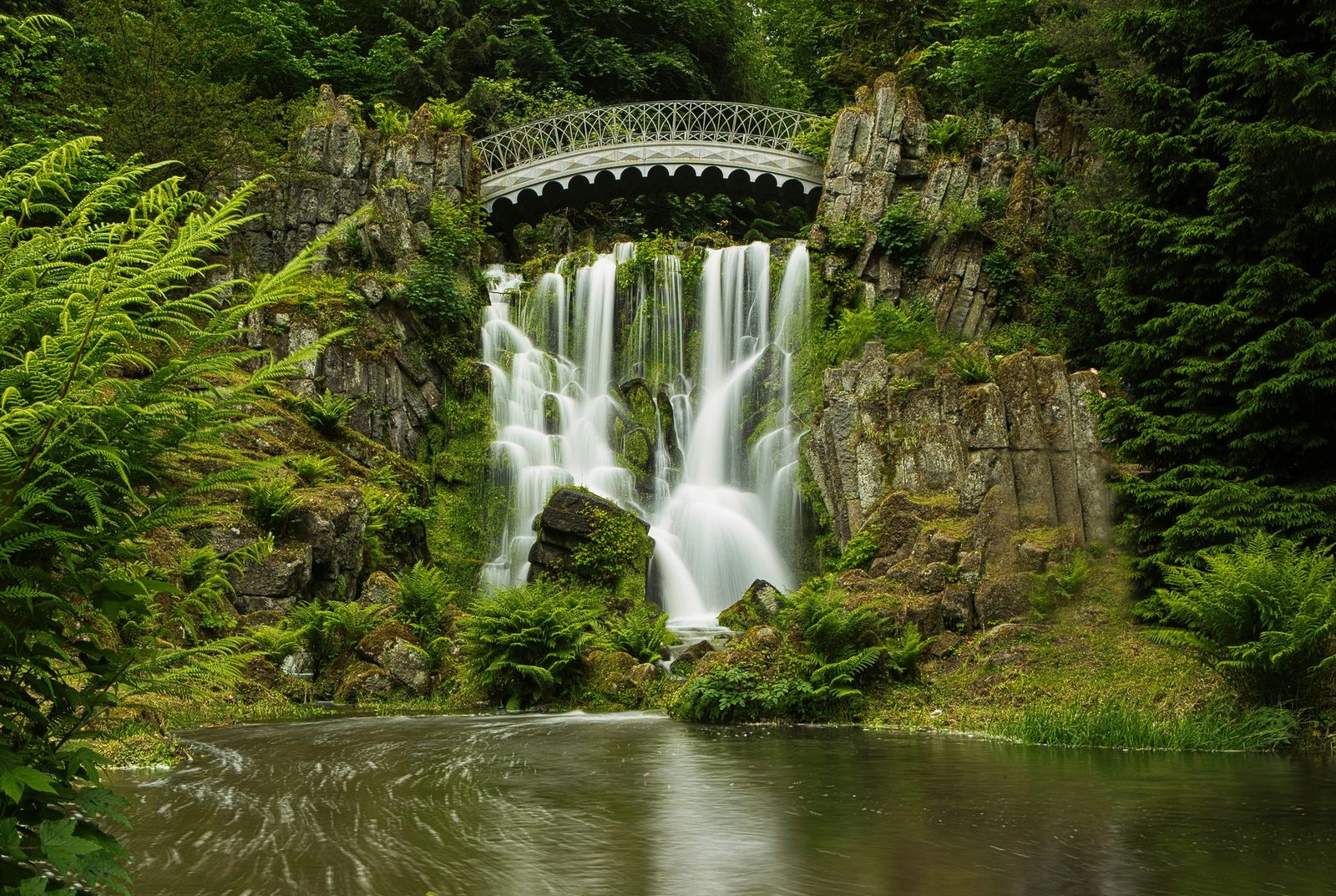
A waterfall drops over mossy rocks beneath a small arched iron bridge into a pool, framed by ferns

June 12 to September 19, 2027

Kassel

Home of documenta since 1955. The 16th edition, under Naomi Beckwith, has published its dates and no title or artist list. documenta 16 title and artists not yet announced

The Teufelsbrücke waterfall in Bergpark Wilhelmshöhe, Kassel. Photo: Marcel L.

City pagedocumentaFridericianum

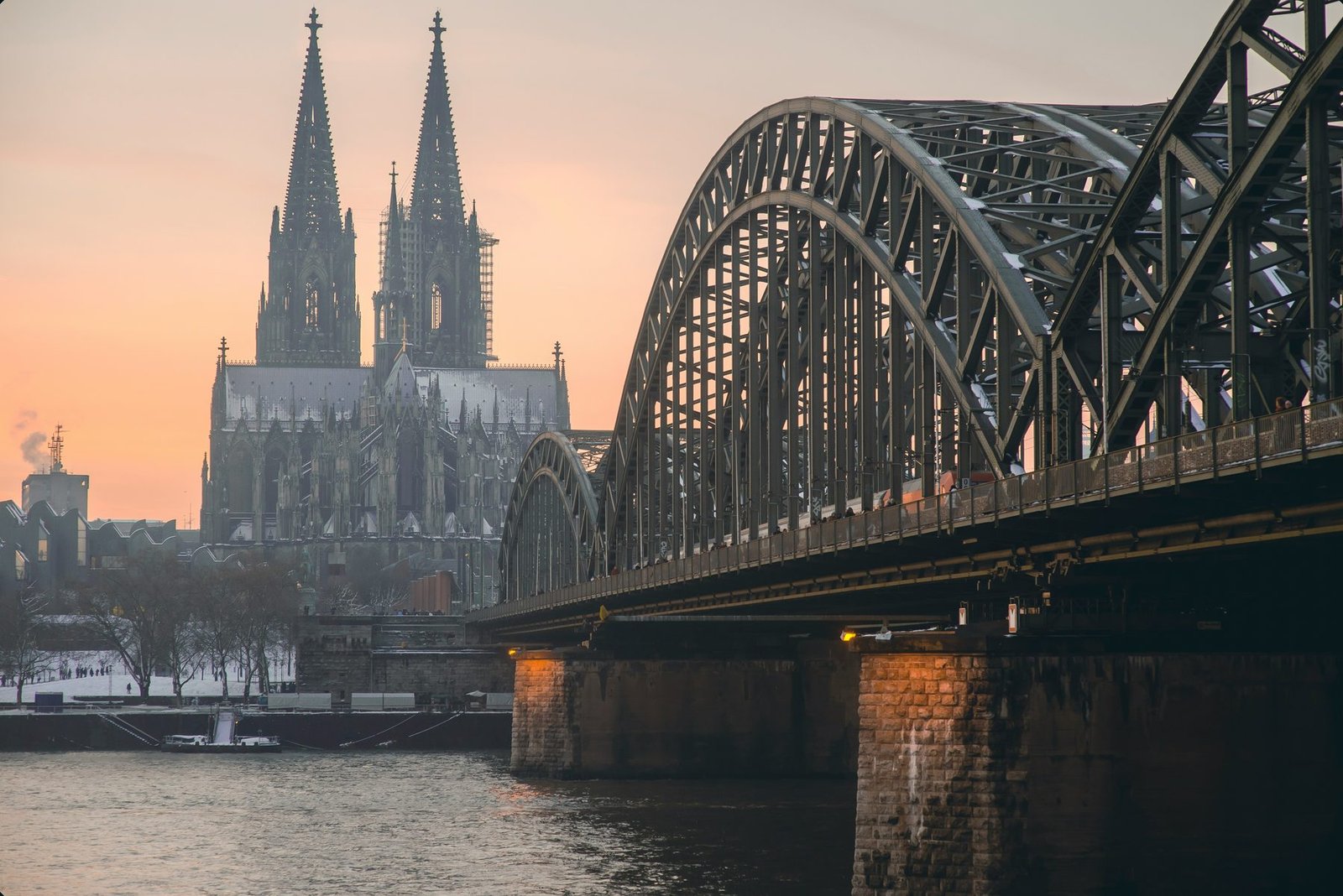
Twin spires stand in soft pink light behind the dark steel arches and stone pier of a railway bridge over a river

Art Cologne, November 5–8, 2026

Cologne and Düsseldorf

The Rhineland is the home of the German trade: the main fair, two auction houses, the Museum Ludwig, and in Düsseldorf the state collection at K20 and K21, with Art Düsseldorf in April.

Cologne Cathedral and the Hohenzollern Bridge in morning haze. Photo: Svetlana Butovskaya.

CologneDüsseldorfMuseum LudwigK20 K21

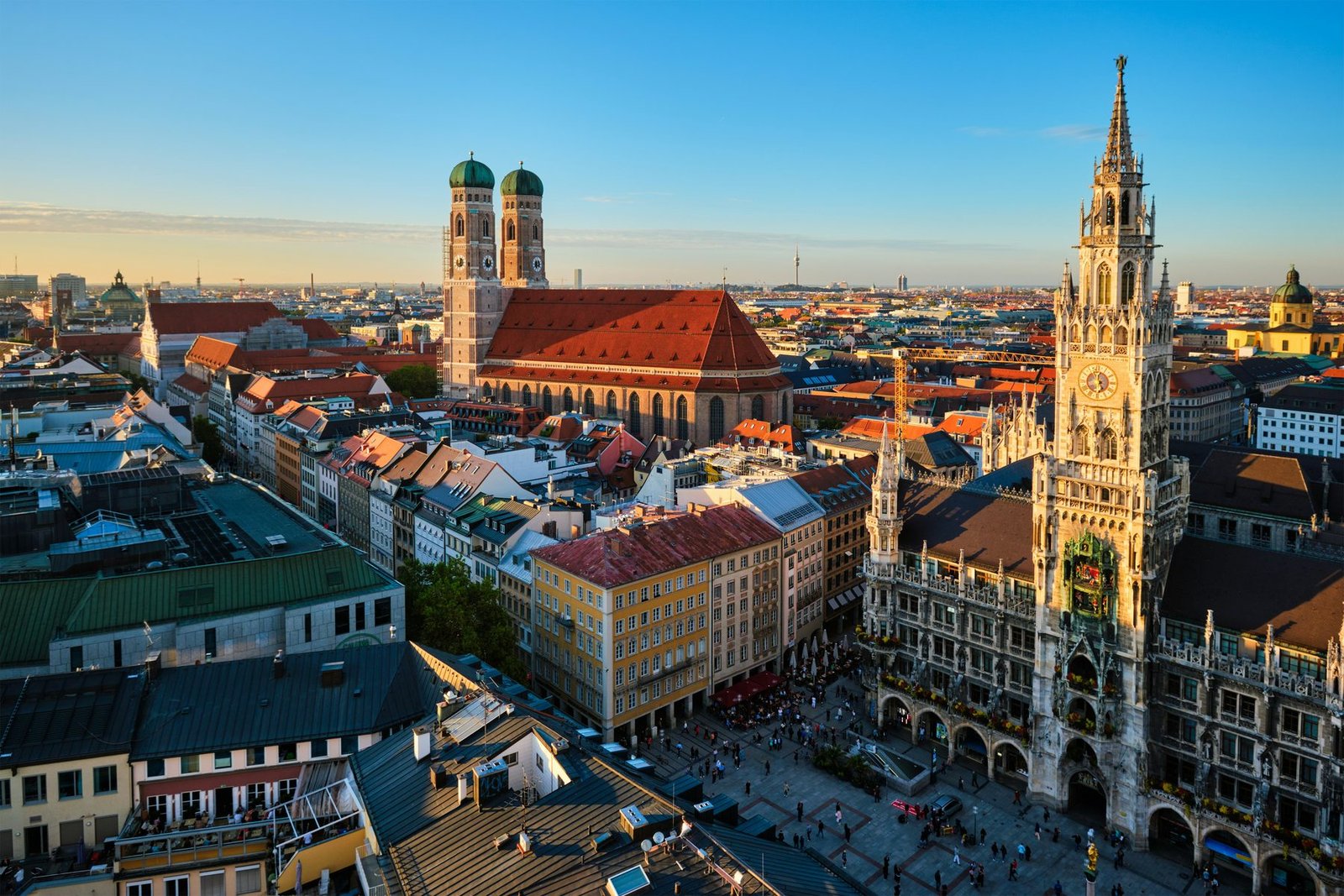
A square seen from above with a neo-Gothic town hall tower on the right and a brick church with two domed towers behind red roofs

Salerooms and state collections

Munich

Ketterer Kunst sells here, and the Bavarian state museums are here, now with an independent provenance unit after the crisis of 2025. The directory lists the Pinakothek der Moderne, Haus der Kunst, the Lenbachhaus and Museum Brandhorst.

Marienplatz with the New Town Hall and the Frauenkirche, Munich.

City pagePinakothek der ModerneHaus der Kunst

June 13 to October 3, 2027

Münster

Once a decade the city gives its streets to sculpture. The sixth Skulptur Projekte is directed by the collective WHW; the first five artists, Hew Locke and Oscar Murillo among them, were named in June, according to ArtReview. There is no city page in the directory yet.

Skulptur Projekte 2027Guide

After Manifesta

The Ruhr

Duisburg, Essen, Bochum and Gelsenkirchen hosted Manifesta 16 until October 4. What stays is the Emscherkunstweg, a permanent trail of works along the river left by the Emscherkunst exhibitions.

Manifesta 16Emscherkunst

Biennales and fairs

The German Calendar

Recurring exhibitions and fairs in Germany, from the Biennale directory and organizer announcements. Dates not yet announced are marked.
EventCityMost recent or nextWhat it isDirectory
Art CologneCologneNovember 5–8, 2026, per the organizerThe main German fair, 59th edition, 164 galleriesNot yet listed
German Pavilion, Venice BiennaleVeniceThrough November 22, 2026Henrike Naumann and Sung Tieu, RuinGuide
Art KarlsruheKarlsruheFebruary 18–21, 2027, per messen.deArt fair at Messe KarlsruheNot yet listed
Art DüsseldorfDüsseldorfApril 8–11, 2027, per the organizer; messen.de lists April 9–11Fair at the Areal BöhlerNot yet listed
Gallery Weekend BerlinBerlinLast held May 1–3, 2026. 2027 dates not foundCoordinated openings at about 50 galleriesNot yet listed
documentaKasselJune 12 to September 19, 2027, per the organizerThe five-yearly exhibition, 16th editionSeries
Skulptur ProjekteMünsterJune 13 to October 3, 2027Sculpture in public space, every 10 years, sixth editionEdition
Berlin BiennaleBerlinSummer 2027, curated by Vasyl Cherepanyn, per the International Biennial Association. Exact dates not yet announcedContemporary art biennale, 14th editionSeries
Berlin Art WeekBerlinSeptember 9–13, 2026; 2027 dates not yet announcedCitywide festival with the Positions fairNot yet listed
Manifesta 16 RuhrDuisburg, Essen, Bochum, GelsenkirchenJune 21 to October 4, 2026 (closed)The roving European biennale, in 12 churchesEdition
Kyiv Biennial, Berlin chapterBerlinJune 11 to September 13, 2026 (closed)A Bird That Cannot Land, the Berlin chapter of the Kyiv BiennialEdition
Triennale Kleinplastik FellbachFellbach16th edition closed September 28, 2025; no 17th announcedTriennial of small-scale sculptureSeries
EmscherkunstRuhrNo edition since 2016; permanent trail openArt along the Emscher riverSeries
All European biennales

Museums and players

Who to Know

Institutions

People

  • Wolfram Weimer, federal commissioner for culture and media since May 2025.
  • Naomi Beckwith, artistic director of documenta 16, deputy director and chief curator of the Guggenheim Museum in New York.
  • Vasyl Cherepanyn, curator of the 14th Berlin Biennale.
  • Ivet Ćurlin, Nataša Ilić, and Sabina Sabolović of the collective WHW, directors of Skulptur Projekte 2027.
  • Marion Ackermann, president of the Stiftung Preußischer Kulturbesitz, the foundation that runs Berlin’s state museums.
  • Sam Bardaouil and Till Fellrath, directors of the Hamburger Bahnhof.
  • Barbara Steiner, director of the Stiftung Bauhaus Dessau.
  • Daniel Hug, director of Art Cologne.
  • Kathleen Reinhardt, curator of the German Pavilion in Venice.

Going there

How to Use the Country

Plan by region, not by capital. A trip built on Berlin alone misses the fair, the salerooms and both of the exhibitions that give Germany its place on the circuit. Start a trip on My Biennale, open the city pages for Berlin, Cologne and Munich, and use the ticket pages and exhibition listings to see what is on.

For this autumn the choice is Cologne from November 5 to 8, with Düsseldorf about 35 kilometers down the Rhine, or Berlin without a fair. In Berlin, do not plan around the Pergamonmuseum before June 4, 2027, and do not look for berlin modern at all. The Neue Nationalgalerie is the house Berliners themselves go back to: the state museums sold about 40,000 annual tickets in 2025, and they were used there most.

The summer of 2027 is the one to book early. documenta 16 opens in Kassel on June 12 and Skulptur Projekte in Münster on June 13; both run into the autumn, and the Berlin Biennale is promised for the same season. Admission to Skulptur Projekte has been free in past editions because the works stand in public space; visitor details for 2027 have not been published. Kassel is a small city; book early. The documenta guide and the Skulptur Projekte guide carry the status of each; the Fellbach triennial has no next edition announced.

Germany sits in the middle of the European circuit. The European biennale page places Kassel and Münster beside Venice and the rest; the 2027 calendar shows what else opens that summer; Biennale Traveller covers trains, flights, hotels and luggage. The neighbors have pages of their own: Art in France and Art in Switzerland. All country hubs are listed together, and the directory has every biennale.

Beyond the cities

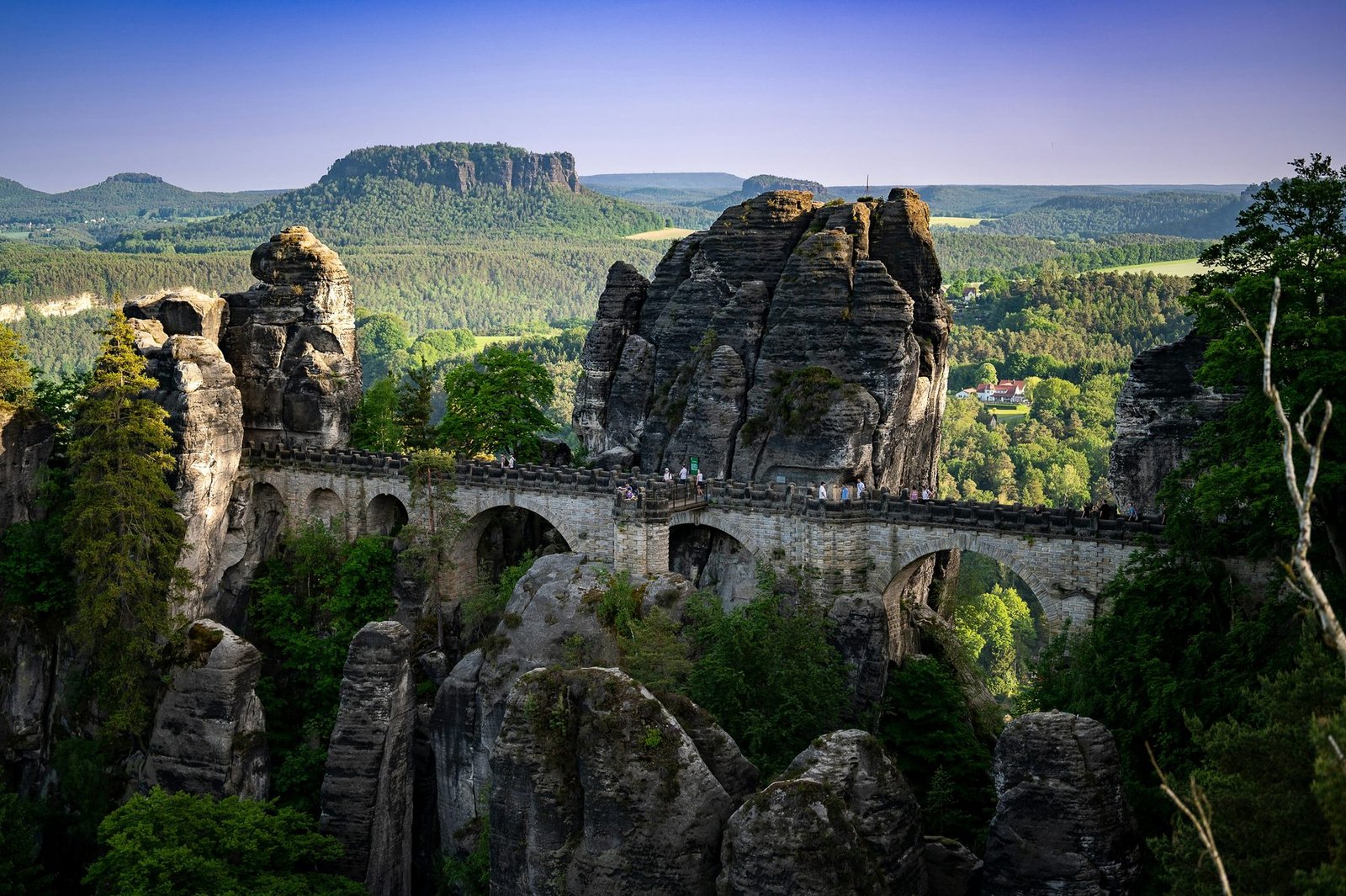
A stone bridge spans a gap between sandstone pinnacles, with a flat-topped hill on the horizon
The Bastei Bridge in Saxon Switzerland. Photo: Piotr Musioł.
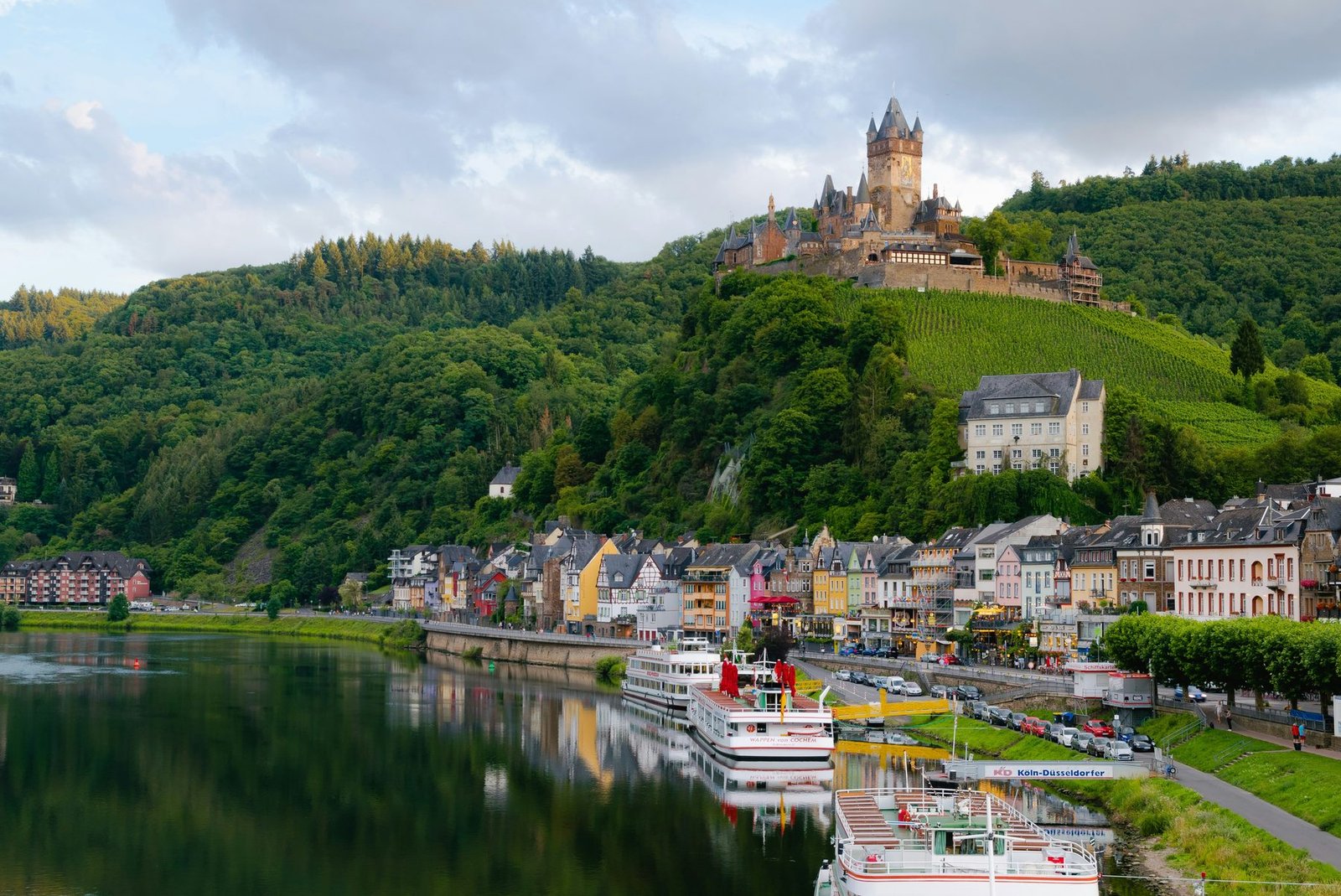
A turreted castle on a vine-covered hill above a river town with excursion boats moored along the bank
Reichsburg Cochem above the Moselle. Photo: Kai Pilger.
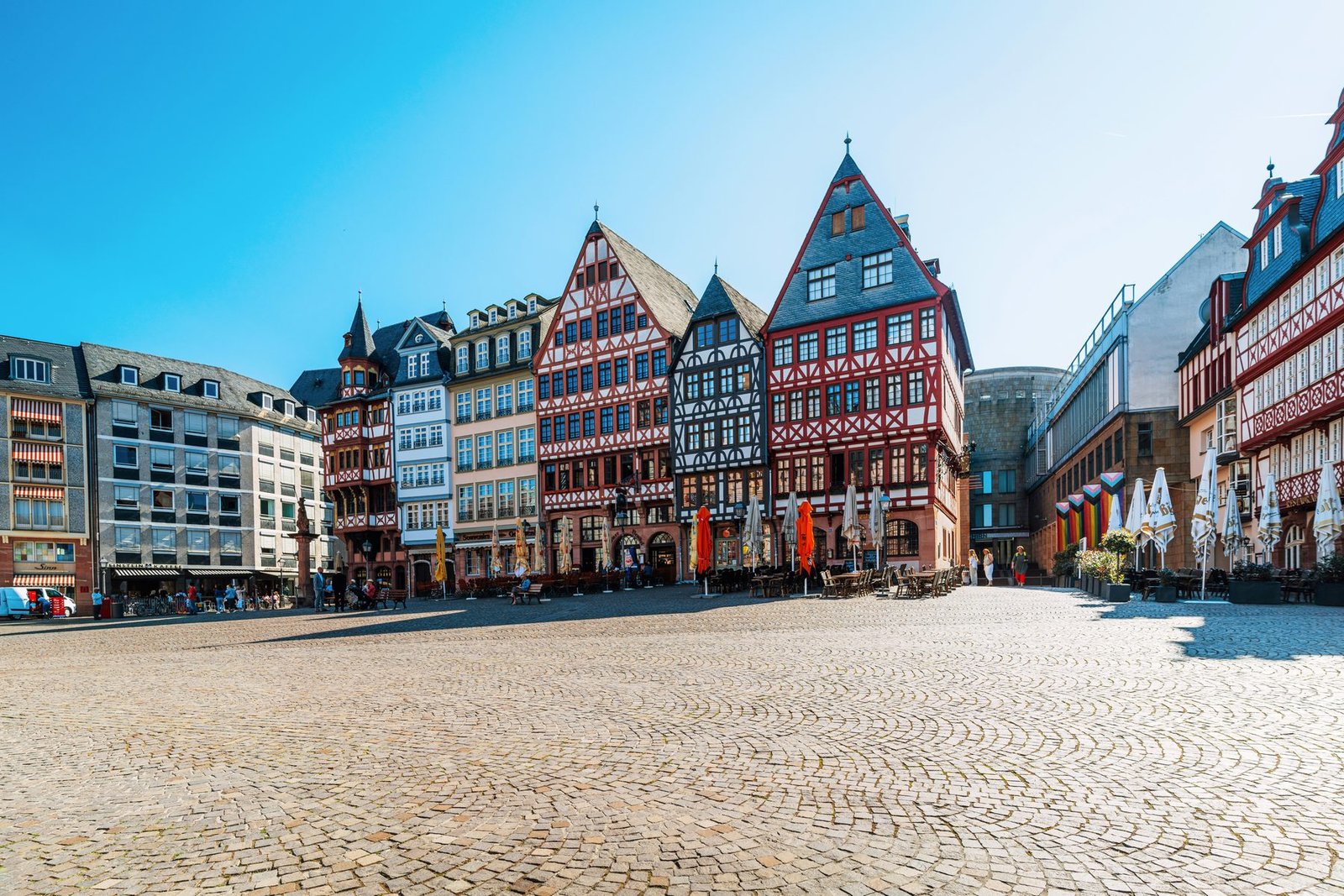
A cobbled square lined with gabled half-timbered houses under a blue sky
Half-timbered houses on the Römerberg, Frankfurt am Main.
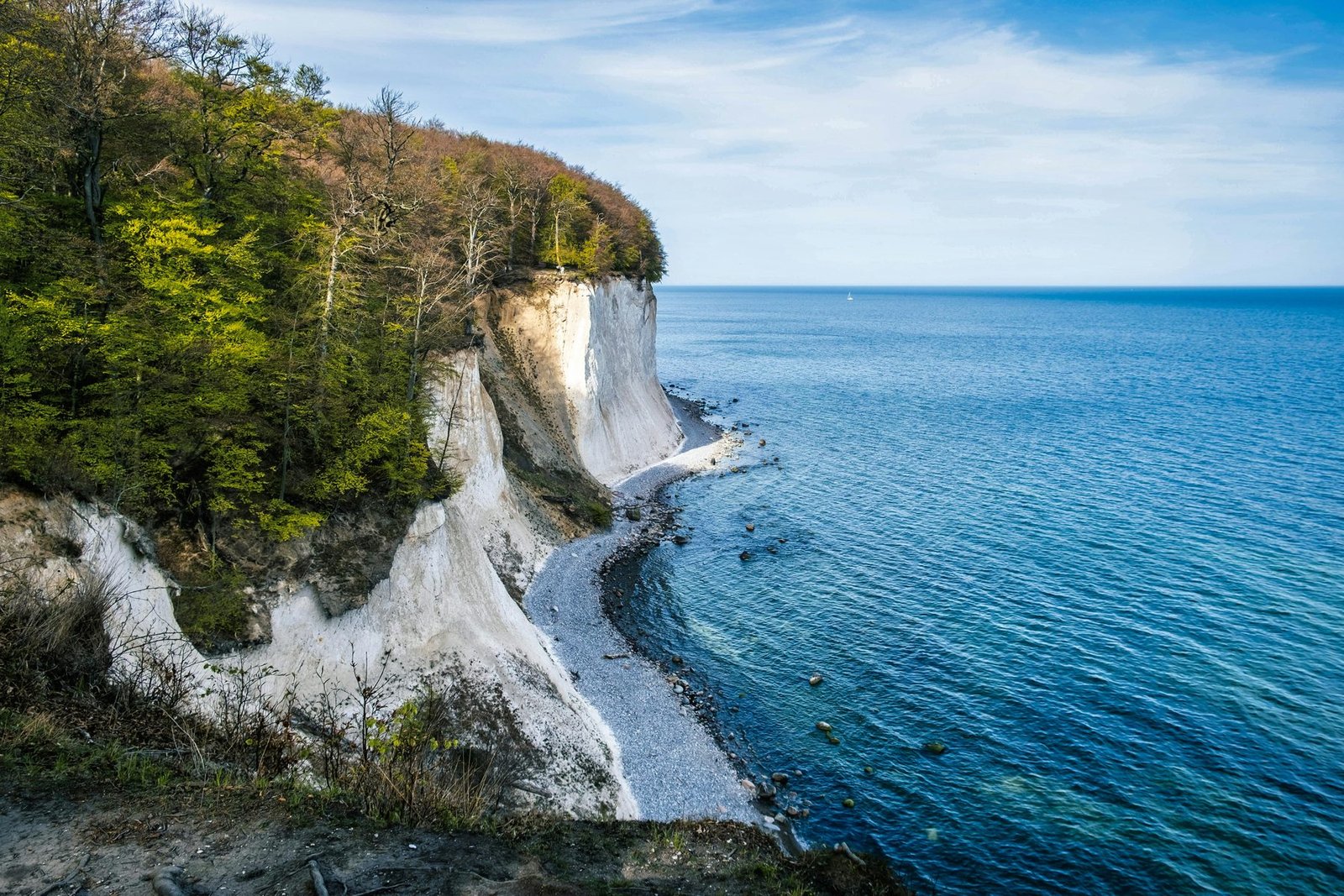
White chalk cliffs topped with beech forest fall to a narrow beach and blue sea
Chalk cliffs in Jasmund National Park, Rügen. Photo: Krzysztof Płocha.

What to watch

Six Things for 2027

  1. Magdeburg in December. Whether Ulrich Siegmund finds three more votes, and what a first AfD-led state government does with the Bauhaus budget and the pledge it proposed in June.
  2. Berlin’s next senate. Whether a coalition led by Die Linke reverses the studio and project cuts, and who takes the culture portfolio after three holders since May 2025.
  3. documenta 16. The title, the artist list, how many invitations were declined, and whether the code of conduct is tested in public before June 12.
  4. The arbitration court. Its first binding awards on Nazi-looted art, and whether museums accept them without a fight.
  5. The market’s second year at 7%. Whether sales recover from the 10% fall, with France and Italy now taxing art at lower rates.
  6. The federal budget for 2027. What the Bundestag does with a draft that trims film and pop and adds to Bayreuth.

Sources. Art Basel and UBS Global Art Market Report 2026; dpa via Yahoo Finance; Institut für Museumsforschung; German federal government; turi2; der Freitag; Art Cologne; Art Düsseldorf; messen.de; Gallery Weekend Berlin; Berlin Art Week via e-flux; Ketterer Kunst; The Berliner; Berlin Senate culture department; bbk berlin; Deutsche Wirtschafts Nachrichten; Der Tagesspiegel; Stuttgarter Zeitung on the Berlin election and on Saxony-Anhalt; ZDF on Berlin and on Chemnitz; Konrad-Adenauer-Stiftung; Reuters via Internazionale; Sachsen Fernsehen; The Local; ArtReview on the documenta code and on Skulptur Projekte; Jüdische Allgemeine on the Central Council, on Weimer and on Beckwith; Perlentaucher press review and column; Hyperallergic; Finestre sull’Arte; documenta 16; Berlin Biennale via e-flux; International Biennial Association; The Art Newspaper on Weimer, the VAT cut, the Kollwitz Prize, the eastern elections, Bavaria, the colonial council, Manifesta, the Hamburger Bahnhof and Gallery Weekend; Burlington Contemporary; Stiftung Preußischer Kulturbesitz; Staatliche Museen zu Berlin; Berliner Zeitung; German Lost Art Foundation; North Rhine-Westphalia culture ministry; German Pavilion via e-flux; Artnet News; the Biennale directory for event dates. Figures are as published by those sources; event dates should be confirmed with organizers. Corrections: contact@biennale.nyc.