Skip to content

Biennale  /  Country hubs  /  China

Country hubs · Free to read · Updated October 8, 2026

Country hub · Asia

Art in China

The private boom that built China’s museums is over; what remains is the state, which runs the buildings left standing and decides what hangs in them.

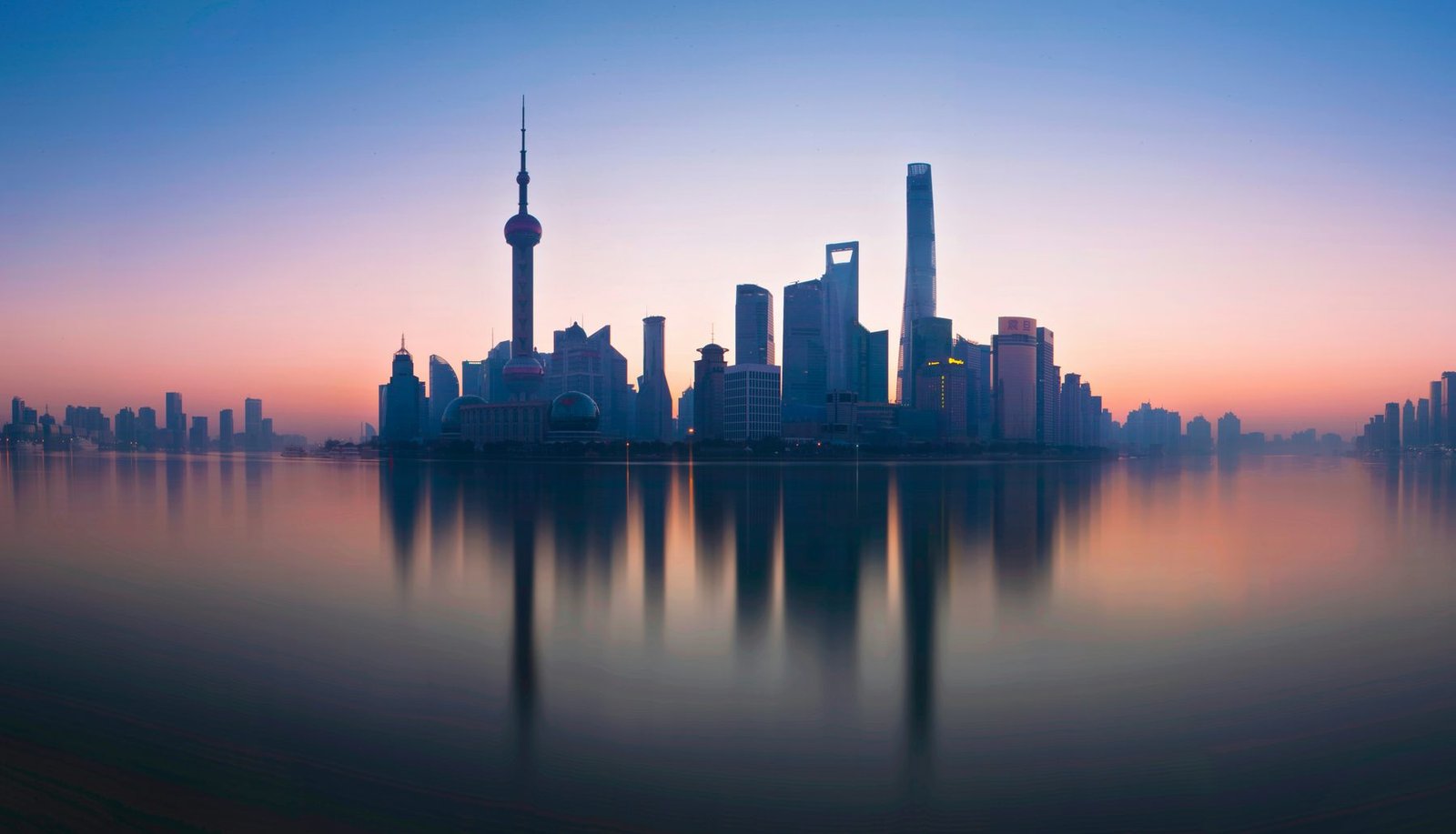
A skyline in silhouette is reflected in smooth water under a pink and blue sky
Lujiazui seen from the Bund at dawn, Shanghai. Photo: Freeman Zhou.

Autumn 2026

After the Boom, the State

For 20 years China built museums faster than any country had before, and private money did much of the building: property developers, collectors, and the companies behind them. In the autumn of 2026 the bill for that boom is being settled. The art market, at $8.5 billion, has stopped falling but has not recovered from a 31% drop in 2024. Private museums have shut in Shenzhen and Qingdao and cut back in Shanghai, Guangzhou, and Yinchuan. The director who made Beijing’s best-known private museum left this winter for a job in Hong Kong. And on August 25 a court in Hebei gave a 70-year-old sculptor three years in prison for works he made between 2005 and 2009, under a law that took effect in 2018, according to his wife and a rights group cited by Reuters.

The thesis of this page is that the private boom is over and the state is what is left standing. Public institutions are the ones still counting upward: 7,188 registered museums at the end of 2025 and 1.56 billion visits in the year. The country’s first state-run contemporary art museum, the Power Station of Art, runs its leading biennale, and a culture ministry hosts its pavilion in Venice. The same state decides, through a permit system and a growing body of law, what those buildings may show. The trade, which wants a low-tax port more than it wants a museum, does its business in Hong Kong, where the fair drew 91,500 people in March and the cultural district that houses M+ ran a deficit of HK$998 million.

A note on scope: this page covers mainland China, with Hong Kong treated in its own labelled part below, and it does not cover Taiwan, whose Taipei Biennial has its own page.

For the visitor, the dates are these. The 15th Shanghai Biennale closed on March 31, and the 16th opens in November 2027. Shanghai’s fair week falls in mid-November. The China Pavilion at the Venice Biennale is open until November 22. Below: the market, the politics, the public, then six cities and Hong Kong, a calendar and the institutions to plan around. Biennale is free to read.

The market

Third Place, Holding

Sales of art and antiques in China, counting the mainland and Hong Kong together, came to $8.5 billion in 2025, a rise of just over 1%, according to the Art Basel and UBS Global Art Market Report 2026. That is 14% of a world market of $59.6 billion, one point less than the year before, and it leaves China third behind the United States ($26.0 billion, 44%) and the United Kingdom ($10.5 billion, 18%). The report’s own explanation is domestic: a real estate downturn and other economic worries that weighed on consumer confidence.

Stable is a relative word. The previous year’s report recorded a 31% fall in Chinese sales in 2024, to $8.4 billion, which it called the lowest level since 2009, and the loss of second place to Britain. The 2025 figure is stability at that lower level. Inside it, the two halves moved in opposite directions: mainland auctions, largely domestic, led the sales, Art Basel’s summary says, while Hong Kong, the more international hub, contracted, as Asian Private Banker summarized the report.

Mainland auction totals for the 2026 spring and autumn seasons were not found for this page. 2026 mainland auction totals not found

Shanghai in November

The mainland’s commercial week is in Shanghai. In 2025 the two fairs ran together from November 13 to 16. West Bund Art and Design moved from the former aircraft factory it had long used to a new convention center, with 106 exhibitors in its main gallery sector; ART021, at the Shanghai Exhibition Center, had 139 galleries and projects from 22 countries, Artnet News reported. The city government’s report on the week is upbeat: ART021 posted its highest attendance. Artnet’s correspondent, Cathy Fan, heard another register from one Chinese gallerist: “In this climate, can we skip the market talk and focus on the ecosystem instead?”

For 2026, ART021 is listed for November 12 to 15 at the Shanghai Exhibition Center, by the China Shanghai International Arts Festival listing. Dates for West Bund Art and Design had not been confirmed from an organizer’s page when this was written. West Bund Art and Design 2026 dates not confirmed The district the fair is named for has been changing under it. In 2024 ShanghART’s flagship and several neighbors were told to leave their West Bund buildings as the former industrial zone was marketed to technology companies, The Art Newspaper reported; the Yuz Museum, the first to open there, had already moved to the suburb of Qingpu.

Beijing in May

Beijing answers in spring. The 10th Gallery Weekend Beijing ran from May 22 to 31, 2026, and Beijing Dangdai, the city’s main fair, from May 21 to 24 at the National Agricultural Exhibition Center with 143 galleries and institutions, by the city’s account. The gallery weekend is invitation-only and had 30 exhibitions; the critic Crystal Bennes, reviewing it for e-flux Criticism, found many shows straining to fill the large industrial spaces of the 798 district. A third Beijing fair, JINGART, has no 2026 edition in the fair listing consulted, which shows its last dates as June 2024. JINGART: no edition found after 2024

Who stayed, who left

Foreign galleries are thin on the mainland. Gagosian, Hauser & Wirth, David Zwirner, and Pace have Hong Kong spaces and no mainland gallery; Pace ran one in Beijing from 2008 to 2019. Lisson opened in Shanghai in 2019 and Beijing in 2022, Perrotin in Shanghai in 2018, and Almine Rech has a Shanghai space, Artnet News reported in February 2025; the last was still listed at the end of that year in ARTnews’s survey of closures. Whether Lisson and Perrotin have kept every mainland space through 2026 was not checked against their own pages. Current status of Lisson and Perrotin mainland spaces not confirmed

The tax at the border

The simplest explanation for where the trade sits is a number. Art brought into mainland China generally pays a 1% import duty and 13% value-added tax, 14.13% in all, while Hong Kong charges no sales tax, VAT, or customs duty on art, by Artnet’s account. On the American side, the tariffs of 2025 were supposed to spare fine art, which United States law treats as exempt “informational materials,” but not furniture, design, or antiques, according to a July 2025 analysis by the Center for Art Law. How those rules stand for Chinese art in autumn 2026 could not be confirmed for this page. Current United States tariff treatment of Chinese art not confirmed

$8.5bnart sales in China in 2025, up just over 1% (Art Basel and UBS)
14%share of world sales, third after the US and UK (Art Basel and UBS)
31%fall in Chinese sales in 2024, to the lowest level since 2009 (Art Basel and UBS)
14.13%duty and VAT on art imported to the mainland; none in Hong Kong (Artnet News)
Biennale

“The sector has entered a post-boom phase”

Li Anqi, curator and historian, on China’s private museums, quoted in The Art Newspaper, November 6, 2025

Politics and permission

The Seal on the Paperwork

An exhibition in mainland China begins with an application. The clearest published description of the process comes from a show that did not happen. In 2019 the UCCA Center for Contemporary Art in Beijing planned a survey of the Chinese-American painter Hung Liu. The museum had to apply to the Beijing Municipal Bureau of Culture, which reviews images of the works and the texts describing them and then issues the documents that customs needs before art can enter the country. After months of requests for more information, the official seal was not issued; the authorities gave no reason, and the report records no comment from them, The Art Newspaper reported at the time. Philip Tinari, then UCCA’s director, wrote in a letter to lenders and colleagues that topics once open to discussion were coming under closer scrutiny.

That is the ordinary mechanism. Neither of the two long reviews of the last Shanghai Biennale consulted for this page reported any work withdrawn. What the system encourages is caution in advance, and the people who work inside it choose their words. Asked whether political restrictions affect Lisson’s program in China, its partner Greg Hilty told Artnet News: “We work through the laws and the protocols wherever we are.”

“Any policy changes, any loosening or tightening of the grip, when the grip is being tightened, everybody knows.”

Uli Huang, of Perrotin, on working in mainland China, quoted in Artnet News, February 4, 2025

The case of Gao Zhen

The year’s most closely watched case is a criminal one. Gao Zhen, 70, a New York-based artist who made satirical sculptures of Mao Zedong with his brother Gao Qiang, was detained in August 2024 while visiting China. On August 25, 2026, the Sanhe City People’s Court in Hebei province sentenced him to three years, the maximum, for defaming national heroes and martyrs, according to his wife and a rights group cited by Reuters. The charge covers works made between 2005 and 2009, Reuters reported. The law it invokes took effect in 2018 and was strengthened in 2021, and Chinese Human Rights Defenders, a group based outside China, objects that it is being applied to art that predates it and has called for his release. The Associated Press, in a separate report, gives the charge as infringing upon the reputation of heroes.

The trial earlier in the year lasted one day and was closed, and Western diplomats were barred, according to the Reuters report, which relies on his wife, Zhao Yaliang. “We feel outraged,” she told the agency of the sentence, and she said Gao would appeal. Neither Reuters nor the Associated Press reports a statement from the court or any other Chinese authority: the court did not answer a call from Reuters, which the agency noted was made outside business hours, and did not immediately respond to the AP. Zhao told Reuters that she and the couple’s son, a United States citizen, have been blocked from leaving China since his detention.

Pressure from below

Not every closure starts with an official. OCAT Shanghai, part of a museum chain backed by a property developer, closed indefinitely in the summer of 2021 after public outrage over a video work it showed that ranked women by attractiveness, and it never reopened, as The Art Newspaper recounted last November. Online anger can do what a culture bureau does, and faster.

What the state shows

The other half of the politics is what the state chooses to present. The Power Station of Art, a municipal museum in a former power plant on the Huangpu River, has run the Shanghai Biennale since 2012, and its academic committee chooses the curator. The 15th edition, Does the flower hear the bee?, ran from November 8, 2025, to March 31, 2026, with 67 artists and collectives under the Canada-based chief curator Kitty Scott. It opened to coincide with the China International Import Expo, which Artnet News read as a sign of the city’s cultural calendar lining up with national priorities.

The critics argued about the art, not the politics. Mark Rappolt, in ArtReview, found the exhibition dominated by signs and symbols and thought the opening installation close to advertising; Louis Lu, in ArtAsiaPacific, credited it with a clear argument against human-centered thinking. On July 22 the museum named Ferran Barenblit, who directed MACBA in Barcelona from 2015 to 2021, as chief curator of the 16th edition, to open in November 2027, according to its announcement.

Society

A Billion and a Half Visits

The public has not gone anywhere. China had 7,188 registered museums at the end of 2025, and they received 1.56 billion visits during the year, according to National Cultural Heritage Administration figures published by Xinhua for International Museum Day. A year earlier the count was 7,046, itself up by 213, as The Art Newspaper noted. The system added about 140 museums in a year when the private ones were closing.

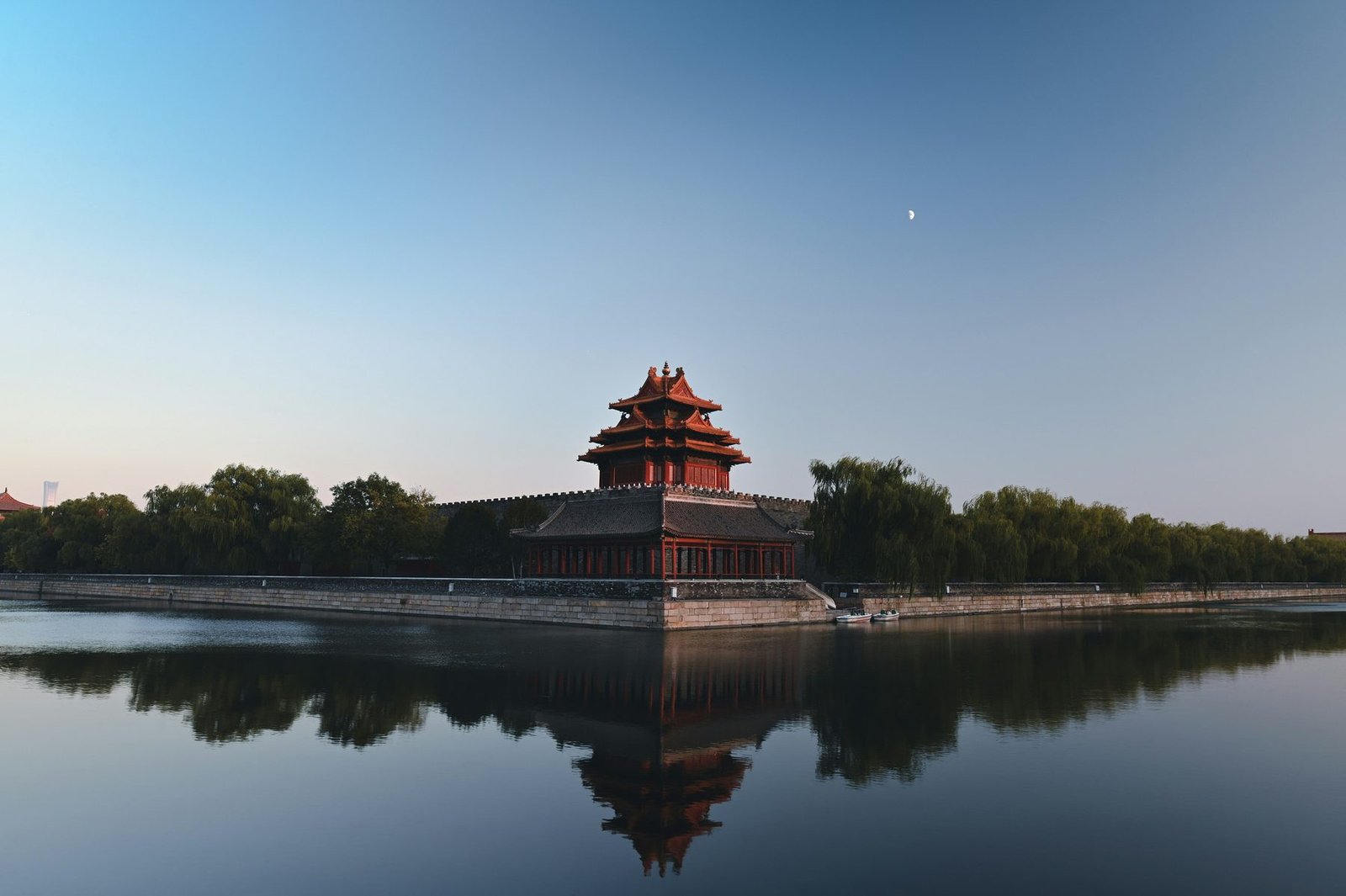
A red-walled tower with layered roofs is mirrored in a still moat under a clear sky
A corner tower of the Forbidden City above the moat, Beijing. Photo: Zixi Zhou.

The closures are specific. The Jupiter Museum of Art in Shenzhen announced its shutdown in June 2025, and TAG Art Museum in Qingdao followed within days; the Ennova Art Museum in Langfang had been dormant for months, the South China Morning Post reported that July. Staff told the paper the causes were tighter corporate budgets, lower spending by visitors, and rising costs. The Art Newspaper’s survey adds the Times Museum in Guangzhou, funded by a property company, which closed in 2022 and came back in 2024 as a project space, and the contemporary art museums of Shanghai and Yinchuan, both reduced to occasional exhibitions. The Long Museum, whose owners auctioned part of their collection in 2023, was still operating in Shanghai and Chongqing when that survey was published.

Li Anqi, the curator and historian quoted above, told the paper that private contemporary art museums are “especially vulnerable.” The reason is in how they were paid for. Many were built by developers, and the developers’ business is the one that broke.

UCCA, the test case

UCCA matters because it was the model. Founded in 2007 in Beijing’s 798 district by the Belgian collectors Guy and Myriam Ullens and sold to private investors in 2017, it grew into a group with sites in Beidaihe, Shanghai, Yixing, and, since September 2025, Jincheng in Shanxi. In July 2025 the South China Morning Post reported that salaries had been delayed; the paper later corrected its account to say that most senior staff were paid late between March and June, by up to 20 days. UCCA called the article “riddled with inaccuracies and exaggerations” and said it was in legal proceedings with the paper; the paper said it stood by its reporting and that no proceedings had been started, The Art Newspaper reported. Tinari told the Post that it had been a difficult year for museums across China, as ArtAsiaPacific recorded, and later, in The Art Newspaper’s survey, called 2025 “a moment of consolidation.”

In January 2026 UCCA announced his departure after 13 years. He started on February 23 as head of art at Tai Kwun in Hong Kong, and UCCA named Kong Lingyi chief executive and Guo Xi deputy director, according to ArtReview.

Who pays at the door

The private museums that are holding on show what the public will pay. The He Art Museum in Shunde, founded in 2020 by He Jianfeng, son of the founder of the electronics maker Midea, charges 150 yuan, about $21, and takes in just under 100 yuan a head on average. It sold about 400,000 tickets in 2024 and expected a 20% drop in 2025; its executive director, Shao Shu, called its funding structure “quite healthy,” in the same survey. Youth unemployment stood at 18.9% that August. A museum ticket at that price is a decision.

The pavilion in Venice

China’s pavilion at the Venice Biennale, in the Arsenale until November 22, is called Dream Stream, after a book of essays by the Northern Song scholar Shen Kuo. It is hosted by the Ministry of Culture and Tourism and curated by Yu Xuhong, president of the China Academy of Art, with China Arts and Entertainment Group as commissioner, according to My Art Guides and the organizers’ press release. The list of exhibitors begins with Game Science, the studio behind the video game Black Myth: Wukong, shown here as art, and includes Yang Fudong and the calligrapher Wang Dongling, writing beside a robot. The organizers describe the aim as joining art and science, which is a fair picture of how official culture wants to be seen in 2026.

The cities

Six Cities, and One Apart

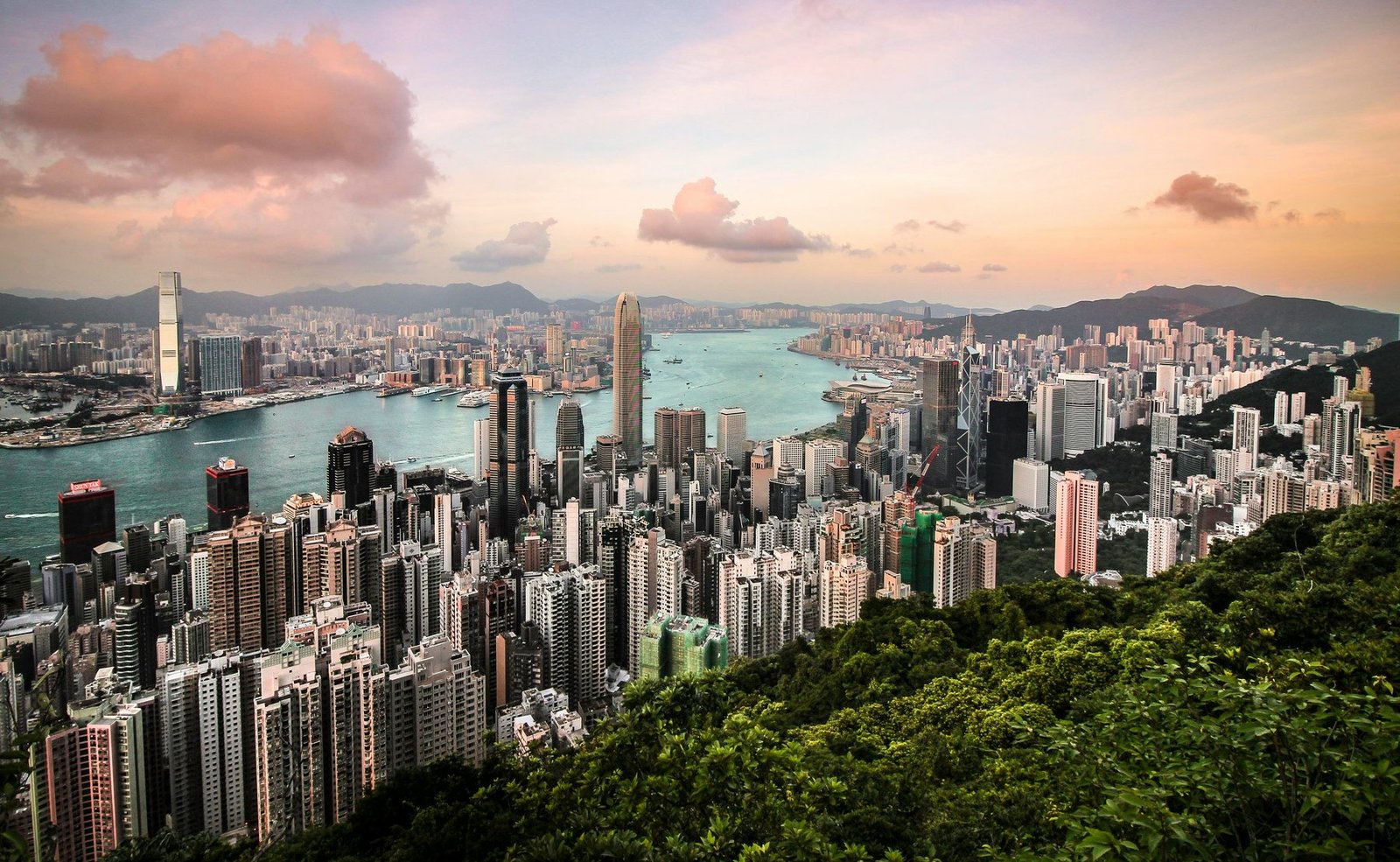
Dense towers fill the slopes and shoreline around a harbor beneath pink clouds, with green hillside in the foreground
Hong Kong and Victoria Harbour from Victoria Peak at sunset. Photo: Florian Wehde.

China’s art map has two capitals and a long list of cities that built a museum or a biennale in the boom years. Some of those biennales have gone quiet, and this page says so. Hong Kong follows the six tiles, in a part of its own.

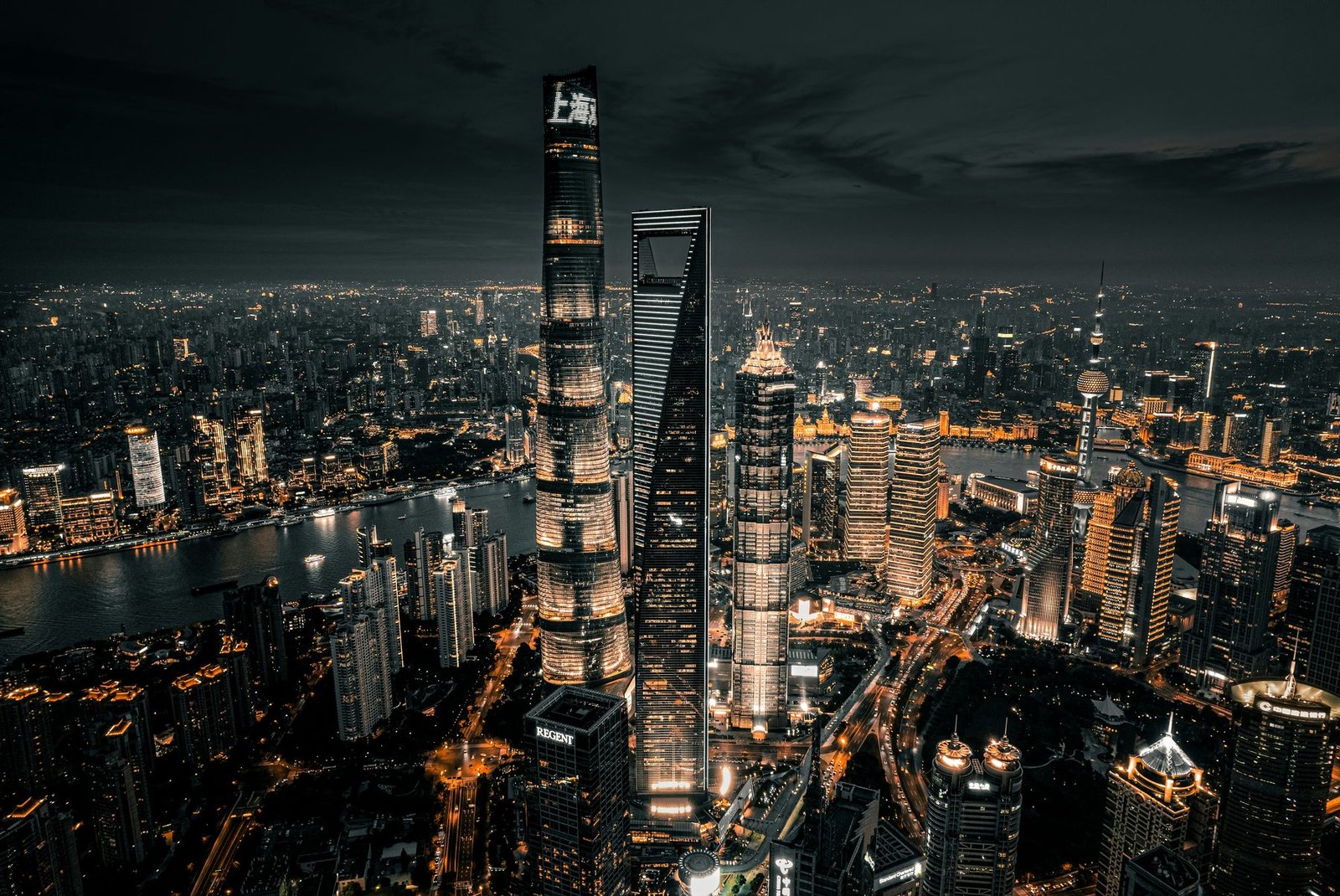
Three very tall towers stand above a city of lights and a curving river

Fair week: mid-November

Shanghai

The Power Station of Art for the biennale; the West Bund Museum, whose partnership with the Centre Pompidou runs to 2028; the Rockbund Art Museum near the Bund. The Jiushi Art Museum opened its first exhibition at No. 1 the Bund in April 2026, China Daily reported.

The Lujiazui towers at night from the air, Shanghai. Photo: Zhou Xian.

City pageShanghai BiennalePower Station of Art

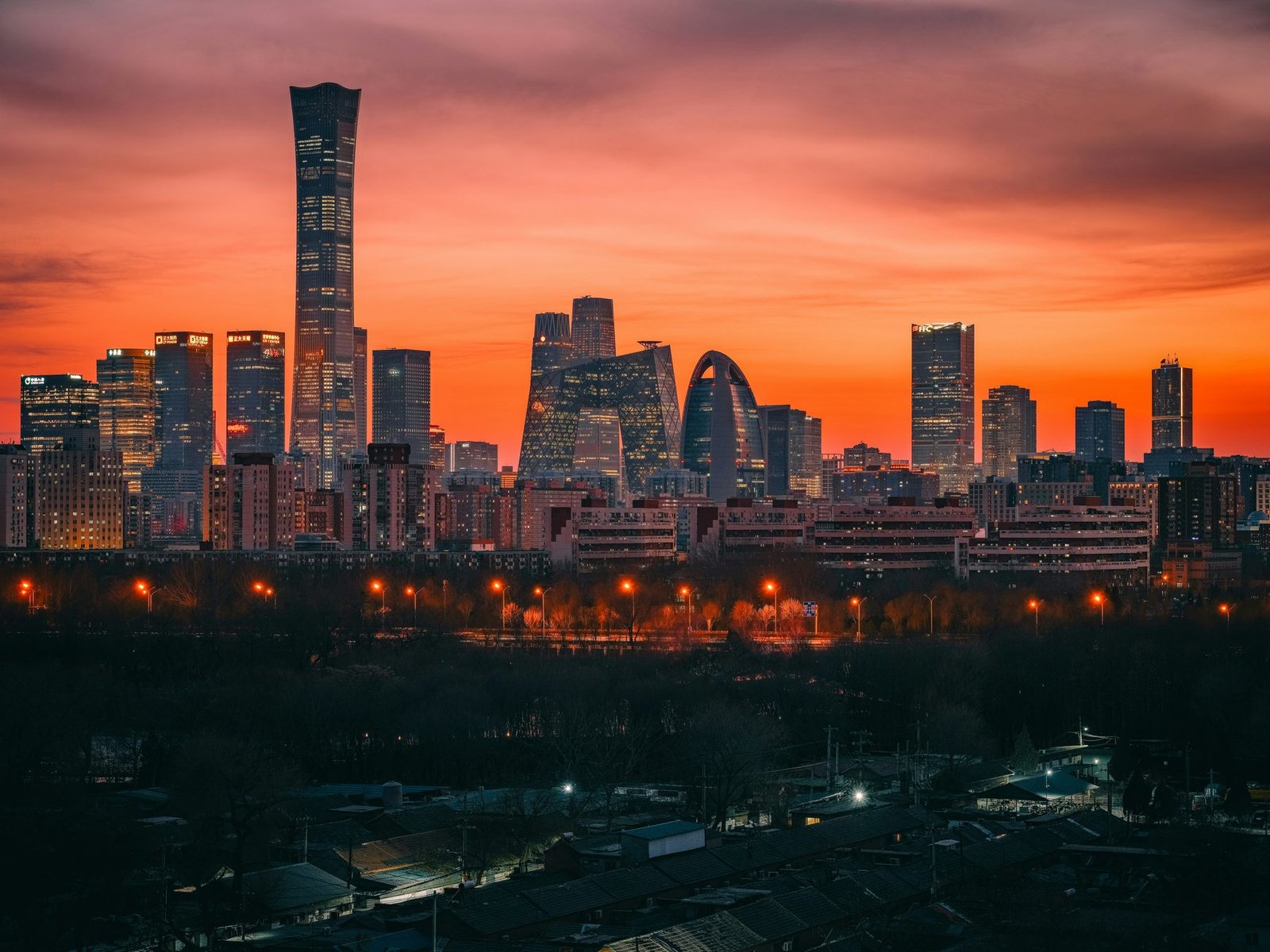
Dark skyscrapers, one far taller than the rest, stand against a red and orange sky above a dark foreground with scattered lights

Gallery season: late May

Beijing

UCCA anchors the 798 district; the gallery weekend’s 2026 pass also covered the Red Brick Art Museum, MACA, and X Museum. The CAFAM Biennale has held no numbered edition since 2016 to 2017.

The Central Business District against a red sunset, Beijing. Photo: Chen Zy.

City pageUCCARed Brick

Tall bamboo arches over a paved path to form a green tunnel

Biennale held in 2026

Chengdu

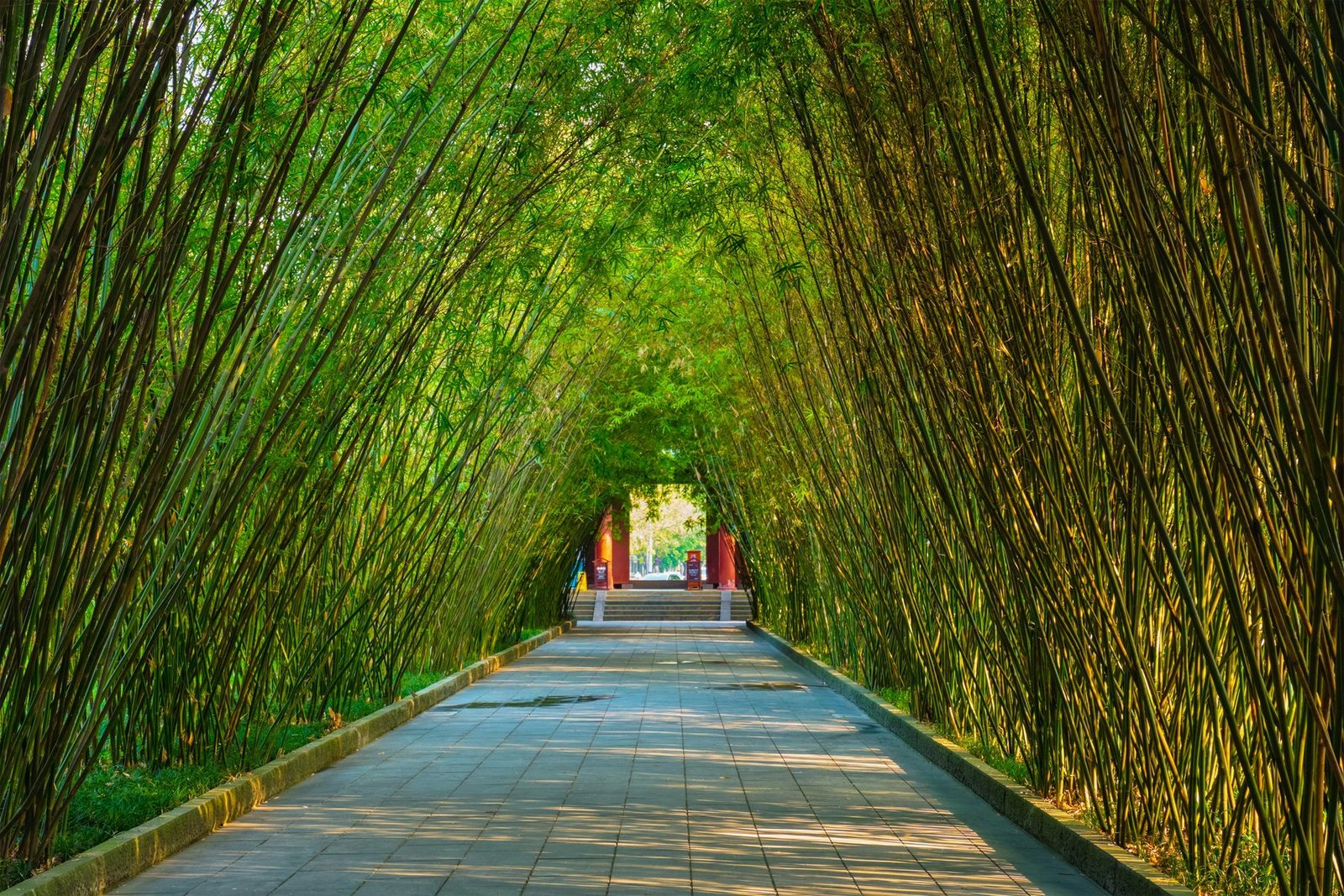
The government-guided Chengdu Biennale, Pulse of Life, opened on February 8 at the Chengdu Art Museum with more than 250 artists from 29 countries and regions and has since closed, by Artribune’s report. The A4 Art Museum and the Zhi Art Museum are the private names, by Art Basel’s city report. There is no directory page yet.

A bamboo-lined path in Wangjiang Pavilion Park, Chengdu.

Anren Biennale

A Ferris wheel lit blue stands among brightly lit towers beside dark water

One closing, one opening

Shenzhen

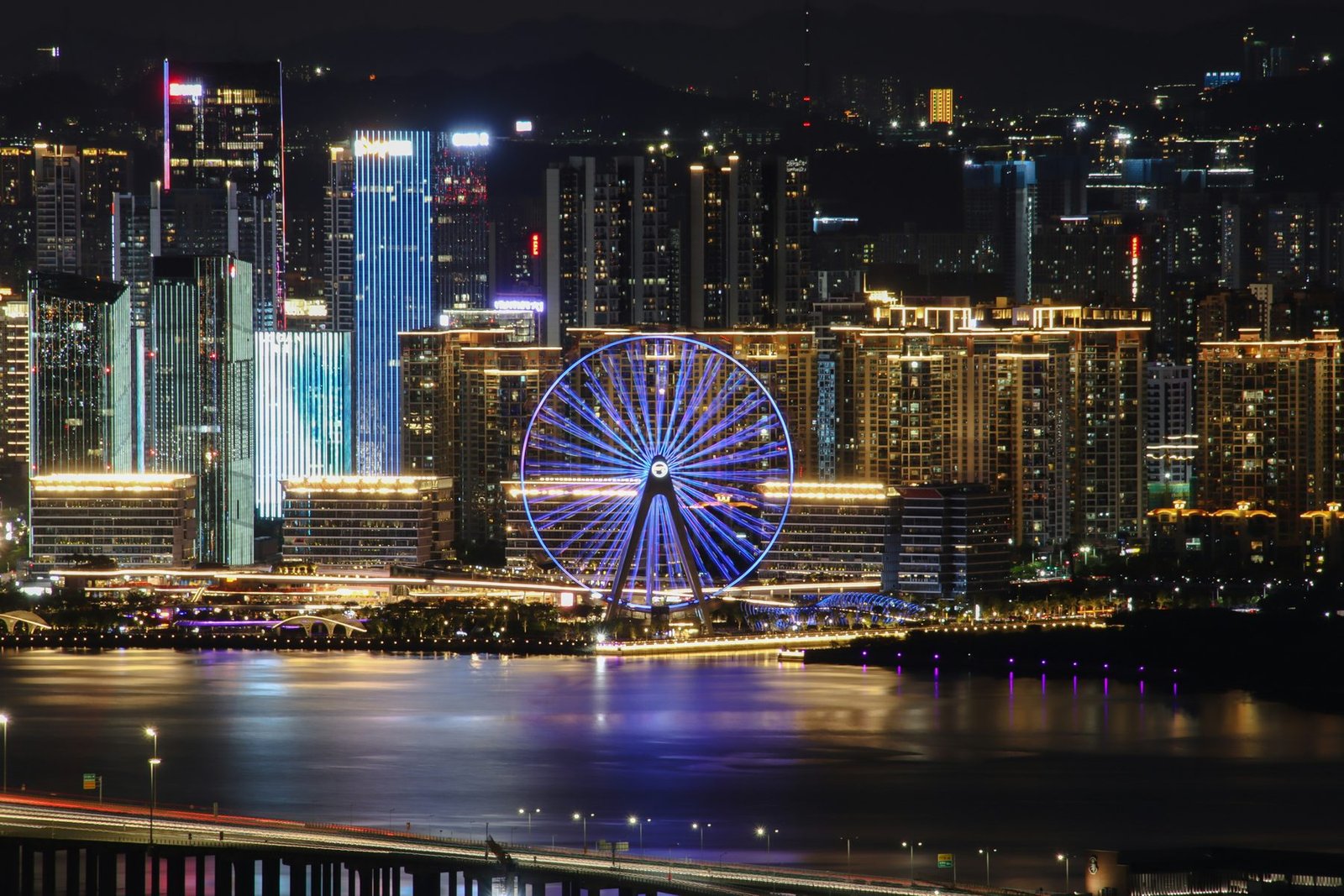
The Jupiter Museum of Art announced its closure in June 2025. Fotografiska announced a 5,300-square-meter museum at Shenzhen Bay MixC for October 1, 2026, by its own release, and its website now lists the museum as open. The Shenzhen Sculpture Biennale last ran in 2014.

A Ferris wheel on the waterfront at night, Shenzhen. Photo: Wavie Hu.

A tall weathered limestone rock stands among trimmed trees and pavilions beside a pond

Opened August 2026

Suzhou

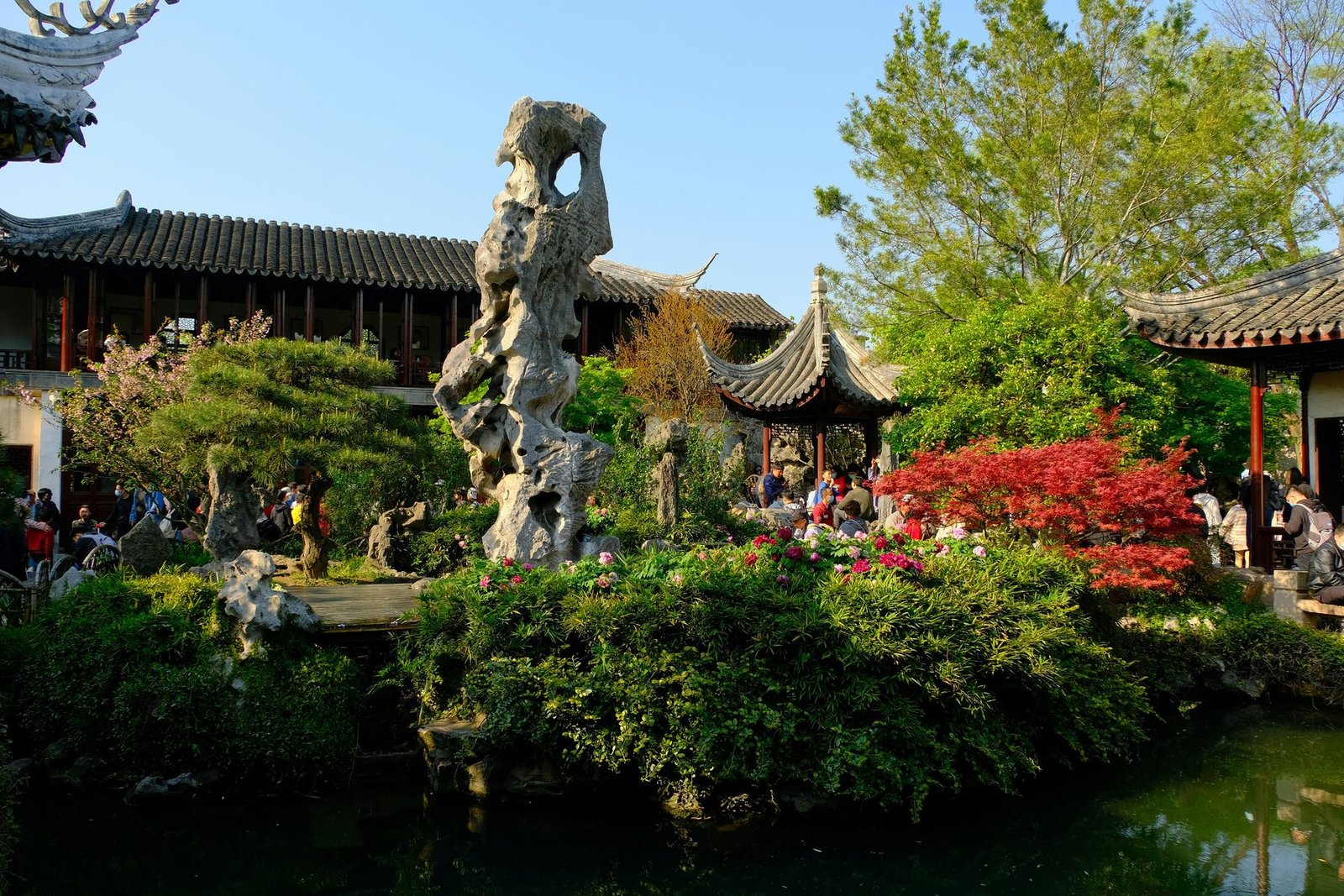
The Suzhou Museum of Contemporary Art is 60,000 square meters of pavilions under one ribbon-like roof on Jinji Lake. Its architect, BIG, announced the public opening on August 30, with a Picasso show and a survey of contemporary Chinese art.

Rockery and pond in the Lingering Garden, Suzhou. Photo: Terence Zheng.

The biennale towns

Two smaller places entered the circuit in the boom years. Anren, a heritage town on the western edge of the Chengdu plain, held biennales in 2017 and 2019 and a reported third in 2021; none has been announced since. Yinchuan, in Ningxia, held the Yinchuan Biennale in 2016 and 2018 at a museum that The Art Newspaper now describes as reduced to occasional exhibitions. Hangzhou has no biennale on this list, but its private museum By Art Matters is among those The Art Newspaper counted as still operating. The wider region is on the Asian biennales page.

Hong Kong: The Trading Floor, Under Its Own Law

Hong Kong is a special administrative region of China, and it is treated separately here because the art trade treats it separately. No tax or duty is charged on art there, against 14.13% on the mainland, and the auction houses have built accordingly. Christie’s opened a 50,000-square-foot Asian headquarters in The Henderson in September 2024, Sotheby’s opened its Maison that summer, Bonhams took space at Six Pacific Place, and Phillips has been in the West Kowloon Cultural District since 2023, Artnet News reported.

The fair is the annual proof. Art Basel Hong Kong ran from March 27 to 29, 2026, with previews on March 25 and 26, and drew 91,500 visitors, by the organizer’s count. It had 240 galleries from 41 countries and regions, according to ArtPro’s report on the exhibitor list. Reported sales included Liu Ye’s Snow White (2006) at $3.8 million at David Zwirner, The Standard reported, adding that Hong Kong has secured the role of the fair’s exclusive host in the region for five years. The evening sales that week at the three largest houses totaled $164.9 million, up about 18% on spring 2025, by USA Art News’s tally. The next fair is March 25 to 27, 2027.

The weak points are documented too. The Art Basel and UBS report found that Hong Kong’s market contracted in 2025 while mainland auctions recovered, in Asian Private Banker’s summary. Pace closed its gallery in the H Queen’s tower in October 2025, keeping an office in the city; The Art Newspaper’s report listed a sharp fall in spending by mainland collectors, political pressure from Beijing, and the global downturn among the reasons for the slowdown.

The public side has attendance and a deficit. The West Kowloon Cultural District counted more than 17 million visits in 2025, including over 2.6 million to M+ and about 1 million to the Hong Kong Palace Museum, with mainland and overseas visitors making up 60% to 70% of the two museums’ audiences, The Standard reported. The authority that runs the district lost HK$998 million (about $127 million) in the year to March 31, 2026, up from HK$769 million. “The deficit is still within control, below the HK$1 billion level,” its chief executive, Betty Fung, told the South China Morning Post. The HK$21.6 billion endowment the government provided in 2008 is expected to be used up in 2026 to 2027, and the authority’s plan is property: a first residential site is to be tendered in early 2027, according to The Standard. M+ and the Palace Museum together spent HK$951 million against income of HK$485 million in the same year, Ocula reported. Louis Ng, the Palace Museum’s founding director, retires in January 2027.

Then the law. Hong Kong’s national security law took effect in 2020, and the reported disputes over what it means for museums cluster at M+. Before the museum opened in 2021 it withdrew Ai Weiwei’s Study of Perspective: Tian’anmen (1997) from view, saying the decision was unrelated to the law, after pro-Beijing politicians said the work breached it. Three more paintings from the Uli Sigg collection, by Wang Xingwei, Zhou Tiehai, and Wang Guangyi, later came off the walls in what the West Kowloon authority called “a routine rehang of the collection,” adding that all its exhibitions comply with the law, ARTnews reported. Henry Tang, the authority’s chairman, said the authority would uphold freedom of artistic expression and added: “But artistic expression is not above the law.” The collector William Lim, a donor to the museum, had told ARTnews before the opening that some of the concern was overblown by Western media.

Outside the museum, the most recent documented case is from April 2025, when a billboard show organized by a Milan gallery during fair week was taken down within hours of Badiucao, a Chinese-Australian artist whom Artnet describes as a dissident, disclosing that his four-second clip showed him silently mouthing a political message. The gallery said that he had given it false information and that it had not taken the decision to end the show; the artist said that his contract said nothing about political content; who ordered the removal was not established, and no comment from the Hong Kong authorities is reported, Artnet News reported. No case from 2026 was found for this page. No 2026 Hong Kong censorship case found; absence of reports is not proof
Biennales and fairs

The Chinese Calendar

Recurring exhibitions and fairs in mainland China and Hong Kong, from the Biennale directory, organizer announcements and press reports. Dormant series and dates not yet announced are marked.
EventCityMost recent or nextWhat it isDirectory
Shanghai BiennaleShanghai15th: November 8, 2025, to March 31, 2026. 16th: opens November 2027Mainland China’s leading contemporary art biennale, at the Power Station of ArtSeries · Guide
ART021 ShanghaiShanghaiNovember 12–15, 2026, per the festival listingContemporary art fair at the Shanghai Exhibition Center, founded 2013Not yet listed
West Bund Art and DesignShanghaiLast held November 13–16, 2025. 2026 dates not confirmedFair on the West Bund waterfront, founded 2014Not yet listed
Gallery Weekend BeijingBeijingMay 22–31, 2026 (10th edition). 2027 dates not announcedInvitation-only gallery and museum program centered on 798Not yet listed
Beijing Dangdai Art FairBeijingMay 21–24, 2026, per the organizerBeijing’s main fair, founded 2018, at the National Agricultural Exhibition CenterNot yet listed
Chengdu BiennaleChengduFebruary 8 to August 23, 2026, per Artribune and two participating galleries; a third gallery and one artist’s studio give August 30Government-guided biennale at the Chengdu Art Museum, Pulse of LifeNot yet listed
Guangzhou TriennialGuangzhou7th: January 10 to April 10, 2023. No 8th edition announcedTriennial of the Guangdong Museum of Art, founded 2002Series · Guide
Shenzhen Sculpture BiennaleShenzhenLast held May 16 to August 31, 2014. No edition announcedSculpture biennale of OCAT, dormantSeries · Guide
CAFAM BiennaleBeijing3rd: November 9, 2016, to January 8, 2017. No edition announcedAcademy museum biennale, on pauseSeries · Guide
Anren BiennaleAnren, SichuanLast reported 2021. No edition announcedHeritage-town biennale, founded 2017Series · Guide
Yinchuan BiennaleYinchuan2nd: June 9 to September 19, 2018. No edition announcedBiennale of MOCA Yinchuan, dormantSeries · Guide
Art Basel Hong KongHong KongMarch 27–29, 2026. Next: March 25–27, 2027The region’s leading fair, 240 galleries in 2026Fair
China Pavilion, Venice BiennaleVeniceThrough November 22, 2026Dream Stream, curated by Yu XuhongGuide
All Asian biennales

Museums and players

Who to Know

Institutions

People

  • Ferran Barenblit, chief curator of the 16th Shanghai Biennale.
  • Kitty Scott, chief curator of the 15th.
  • Gong Yan, director of the Power Station of Art.
  • Kong Lingyi, chief executive of UCCA since Philip Tinari’s departure.
  • Philip Tinari, head of art at Tai Kwun, Hong Kong, since February 23, 2026.
  • Yu Xuhong, president of the China Academy of Art and curator of the China Pavilion in Venice.
  • Gao Zhen, sculptor, sentenced on August 25, 2026, according to his wife and a rights group.
  • Betty Fung, chief executive of the West Kowloon Cultural District Authority.
  • Angelle Siyang-Le, director of Art Basel Hong Kong.

Going there

How to Use the Country

Start with the passport. China has extended its 30-day visa-free entry for ordinary passport holders from more than 40 countries, most of them European, until December 31, 2026, Xinhua reported. The United States is not on that list in the February 2026 summary published by the tour company The Dragon Trip, which places American travelers under a separate 240-hour transit rule with its own conditions. Both are administrative policies that change by announcement, so confirm with the National Immigration Administration before booking, and check Hong Kong’s entry rules separately.

Then choose the season. Mid-November is Shanghai: ART021 from November 12 to 15, and the West Bund fair alongside it once its dates are confirmed. In 2026 Beijing’s gallery weekend and Beijing Dangdai overlapped in late May. Late March is Hong Kong. To build the trip, start a trip on My Biennale, open the Shanghai, Beijing, or Hong Kong page, and use the exhibition listings to see what is on.

Check that the museum is open. Several of the private museums named above have closed, and others now show only occasionally. A museum’s own channels are a better guide than any listing, this one included. Budget for tickets as well: the He Art Museum charges 150 yuan.

Check a biennale’s status as well. Of the six mainland series in the Biennale directory, only Shanghai has a next edition announced. For the neighbors, see Art in South Korea and Art in Japan, and Biennale Traveller for flights, hotels, and luggage. All the hubs are listed under Country hubs.

Beyond the cities

A long pier with a pavilion at its end reaches into turquoise water in front of a beach and high-rise towers
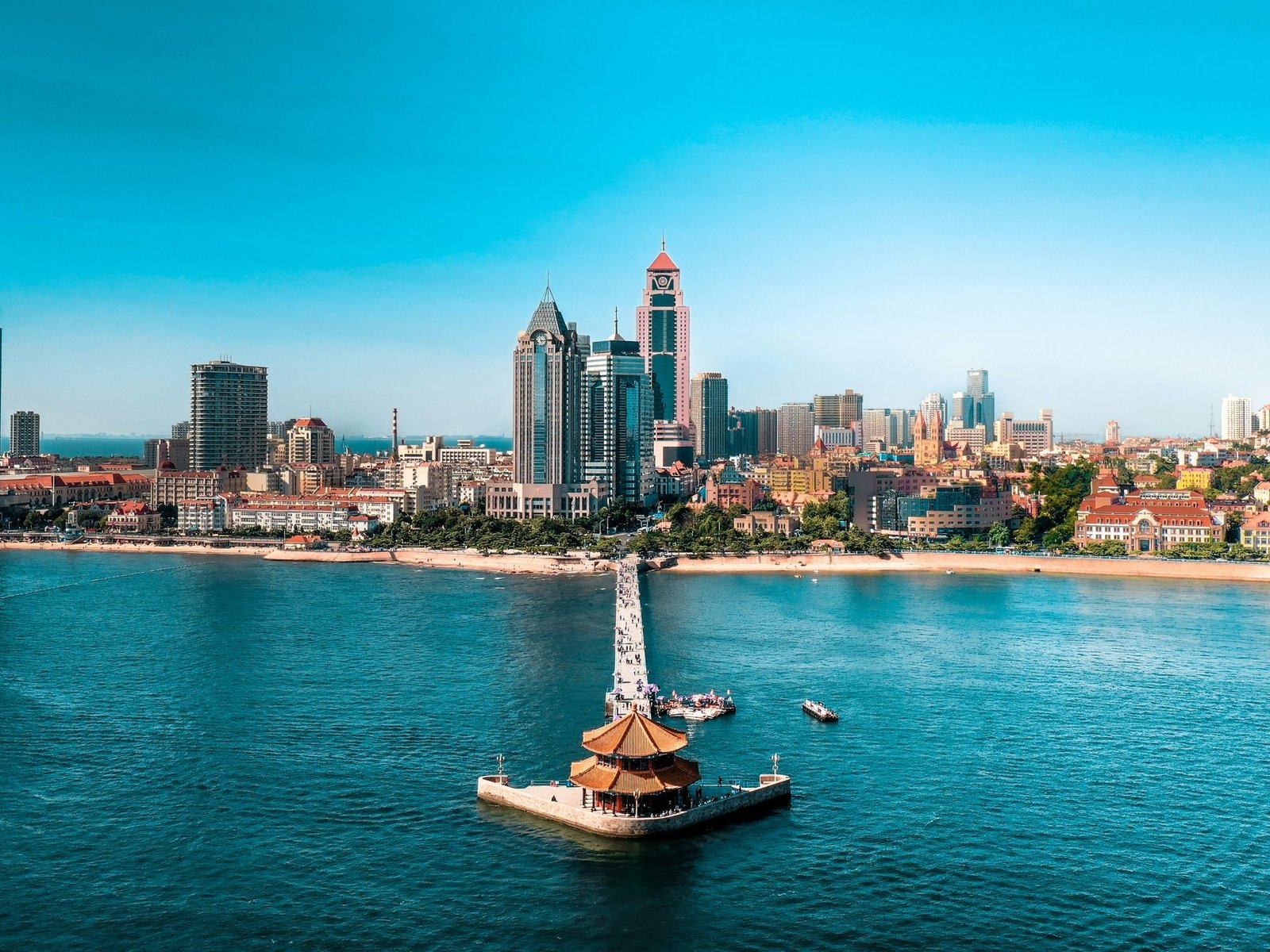
Zhanqiao Pier and the city skyline, Qingdao. Photo: R HAI.
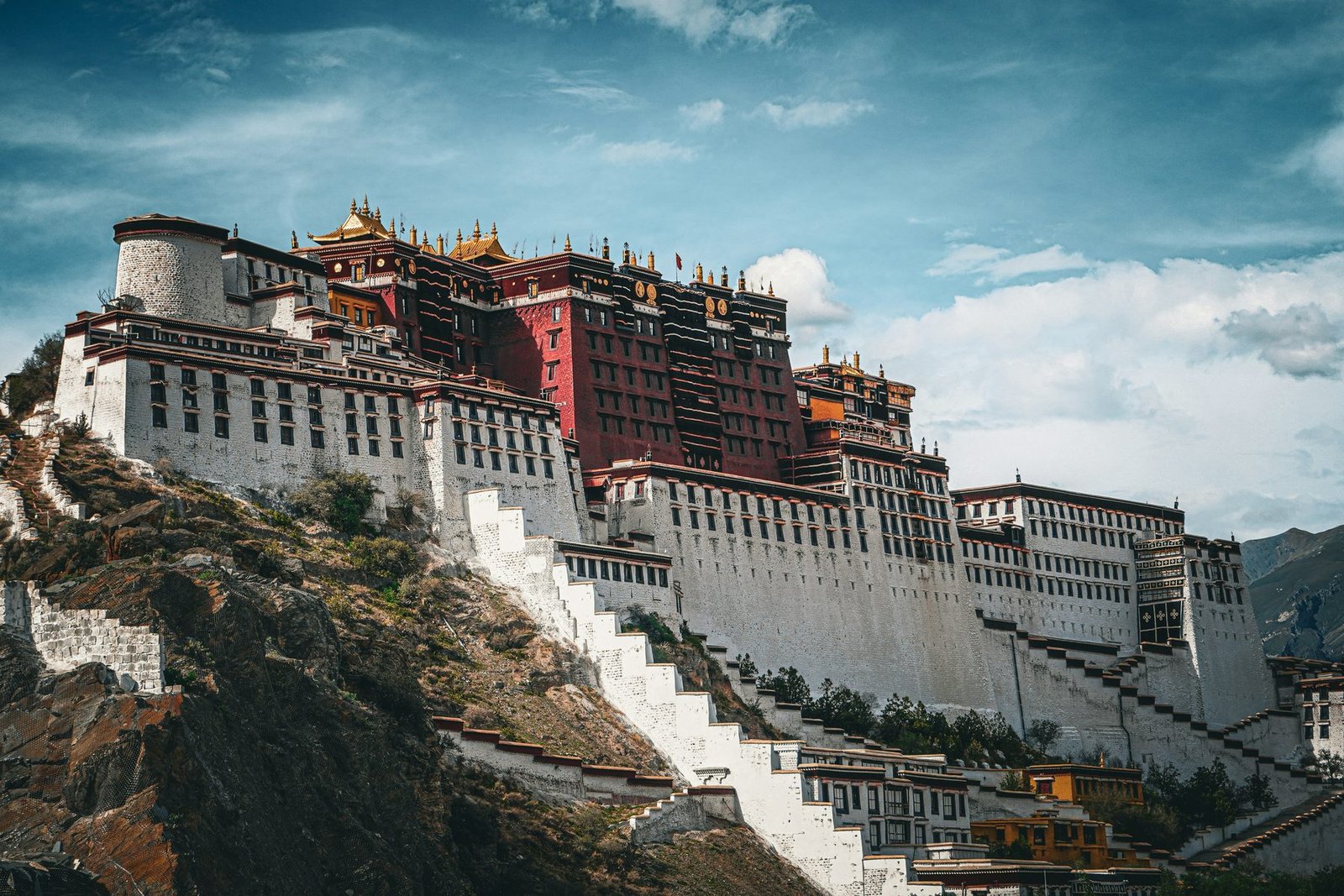
A white and red palace climbs a rocky hill with zigzag stairways under a cloudy sky
The Potala Palace, Lhasa. Photo: Mauricio Manzato.
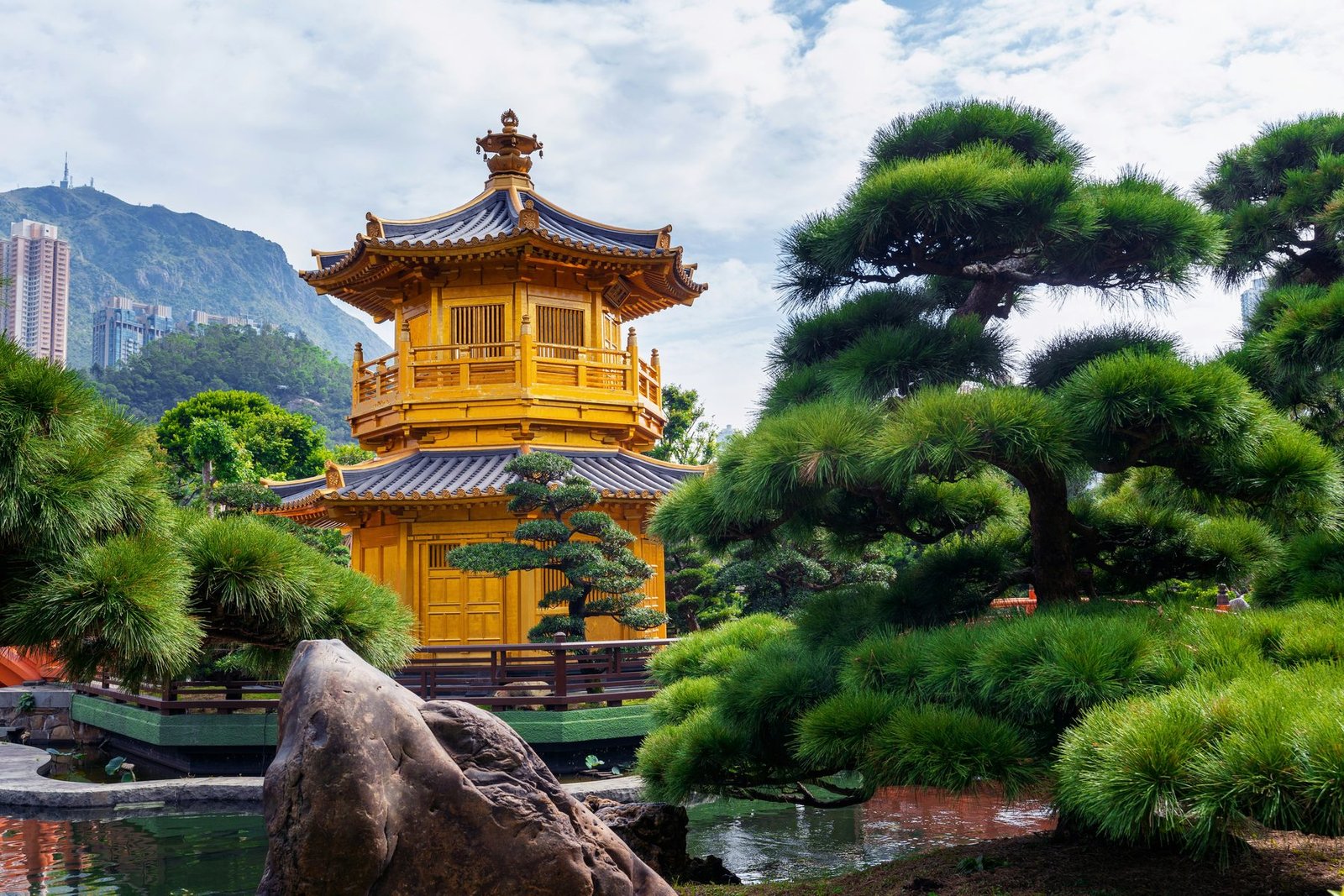
A two-tiered golden pavilion stands among clipped pines and rocks beside a pond, with a hillside and tower blocks behind
The Golden Pavilion in Nan Lian Garden, Hong Kong.
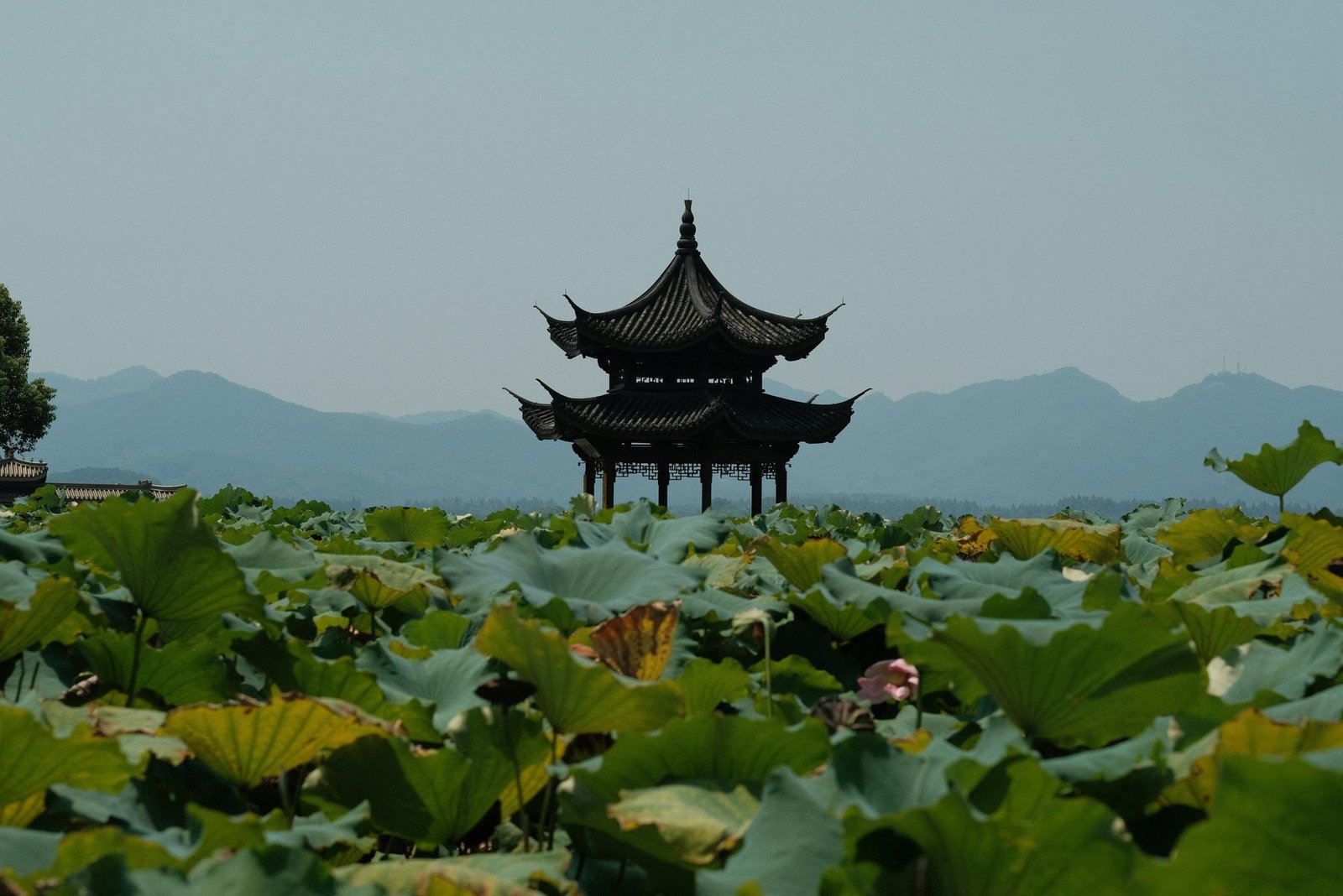
A dark multi-tiered pavilion rises behind a field of large lotus leaves, with hazy hills on the horizon
A pavilion beyond a lotus pond, Hangzhou. Photo: Dominic Kurniawan Suryaputra.

What to watch

Six Things for 2027

  1. The Gao Zhen appeal. Whether a higher court reviews a sentence for works made years before the law took effect, and whether his wife and son, who she says are barred from leaving China, are allowed to go.
  2. The 16th Shanghai Biennale. Ferran Barenblit’s edition opens in November 2027; the artist list will show how much room a state museum gives a foreign curator.
  3. The next closures. Which private museums follow Jupiter and TAG, and whether all of UCCA’s sites stay open under its new chief executive.
  4. West Kowloon’s land. The first residential tender, due in early 2027, is meant to replace an endowment that runs out the same year.
  5. The market’s floor. Whether the 2026 figures, due in spring 2027, show growth beyond 1%, and whether Hong Kong’s March sales hold their gains.
  6. The visa window. The 30-day visa-free policy expires on December 31, 2026, unless it is extended again.

Sources. Art Basel and UBS Global Art Market Report 2026, its trends summary, and the 2025 report; Asian Private Banker; The Art Newspaper on private museums, the West Bund evictions, Pace in Hong Kong, and the 2019 permit refusal; South China Morning Post on private museums and UCCA and West Kowloon’s deficit; ArtAsiaPacific on UCCA, the Shanghai Biennale, and the Guangdong Museum of Art; ArtReview on UCCA’s leadership and the Shanghai Biennale; Jing Daily on Tinari’s tenure; Artnet News on Shanghai’s fair week, Western galleries on the mainland, the Hong Kong auction headquarters, and Badiucao; ARTnews on M+ and gallery closures; Reuters, via TimesLIVE; e-flux announcement of the 16th Shanghai Biennale; e-flux Criticism; Wikipedia on the Power Station of Art; Xinhua on museum statistics and on visa policy; Beijing municipal government; Shanghai municipal government; Beijing Dangdai Art Fair; China Shanghai International Arts Festival; Culture Plus on the 2025 fair dates; Art Fair Mag; China Daily; Artribune, Andrew Kreps Gallery, and Art Basel on Chengdu; BIG; Fotografiska; My Art Guides and the China Pavilion press release; Art Basel Hong Kong; ArtPro; The Standard on the fair, West Kowloon attendance, its finances, and the Palace Museum; Ocula; USA Art News; Center for Art Law; The Dragon Trip; the Biennale directory for event dates. Figures are as published by those sources; event dates should be confirmed with organizers. Corrections: contact@biennale.nyc.