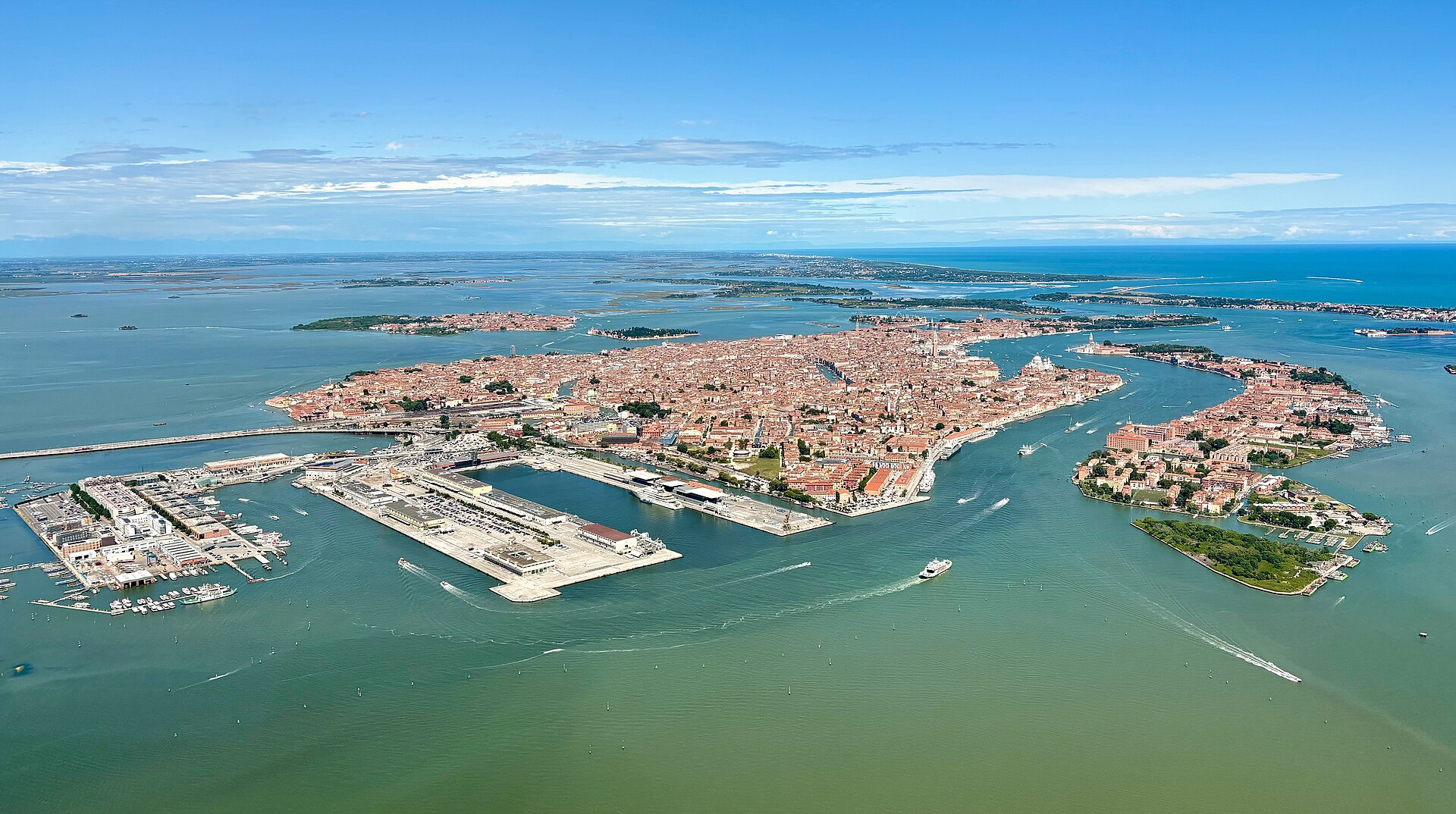
Until November 22
Venice
The last seven weeks of the Venice Biennale, with thinner crowds and lower light.
Photo: kallerna, Wikimedia Commons, CC BY-SA 4.0.
Biennale / Biennale Traveller
Biennale Traveller · Free to read · Updated October 5, 2026
Travel · Issue 1 · October 2026
Flights, trains, hotels, luggage and planning for people whose calendar is set by biennales, fairs and exhibitions.
The Brief
The art calendar does not wait for cheap fares. Frieze opens in London on October 14, Art Basel Paris on October 23, Artissima in Turin and the Bangkok Art Biennale on October 29, and the Venice Biennale closes on November 22. What follows is the travel news that bears on those dates, each item with its source.
Americans entering Thailand without a visa now get 30 days, down from 60. The change took effect on September 15, 2026, after publication in the Royal Gazette on August 31, as Travel Pirates reported, citing the Thai foreign ministry; a further 30 days may be granted at the discretion of immigration officers. The New York Times reported the plan on May 20, when the Thai foreign ministry counted 54 countries affected. Thirty days still covers a long look at the Bangkok Art Biennale, which runs October 29 to February 28.
The five-minute shuttle across the causeway from Woodlands to Johor Bahru is the only passenger train left in Singapore, and it is on notice. Singapore’s Ministry of Transport has said all KTM services in the country will cease within six months of the new Rapid Transit System Link carrying passengers; a Johor state official put that opening at January 1, 2027, according to TheSmartLocal Unconfirmed. The shuttle is the first link in the overland chain to Bangkok, a journey of about 48 hours by The Man in Seat 61’s count. Nicholas Yong rode the whole route for The New York Times, which reported on October 4 that the shuttle is due to stop by mid-2027; see Trains.
Expedia’s 2026 Air Hacks report, drawn from its own bookings, finds fares about 3% lower when booked on a Friday instead of a Sunday, and about 8% lower for Friday departures. Its cheapest windows are short: 15 to 30 days before a domestic flight, and 31 to 45 days ahead for international travelers who dislike suspense. These are averages from one seller, and fair weeks are the exception to every average.
La Première, the four-suite cabin at the front of selected Air France Boeing 777-300ERs, reached Atlanta in March and Houston and Boston in July, bringing the American network to eight cities by the end of 2026, The Points Guy reported. Each suite has an armchair and a separate chaise that becomes a bed more than six feet long. The New York Times wrote about the cabin in April. For Art Basel Paris the relevant fact is the destination: Charles de Gaulle.
In London, The Chancery Rosewood occupies Eero Saarinen’s 1960 United States Embassy on Grosvenor Square, a Grade II listed building reborn as an all-suite hotel with eight restaurants and bars. In Paris, L’Aventure opened on February 9 near the Arc de Triomphe with 15 rooms, a restaurant and a club, under the Beaumarly group of Gilbert and Thierry Costes, according to Hospitality Net. Both are easier to drink in than to sleep in. See Hotels.
The luxury end of cruising is being rebuilt around hotel brands. Cruise Industry News lists the 2026 arrivals: Four Seasons I, for 190 passengers; Orient Express Corinthian, for 108; Explora III, for 922; and Regent’s Seven Seas Prestige, for 822. Aman follows in 2027 with the 94-passenger Amangati. The New York Times reported fares in September that start at $4,340 a person for seven nights on Explora III; its passenger counts differ slightly from the list above. For an art traveler the question is practical: which of them call at Venice, Piraeus or Istanbul in a biennale year.
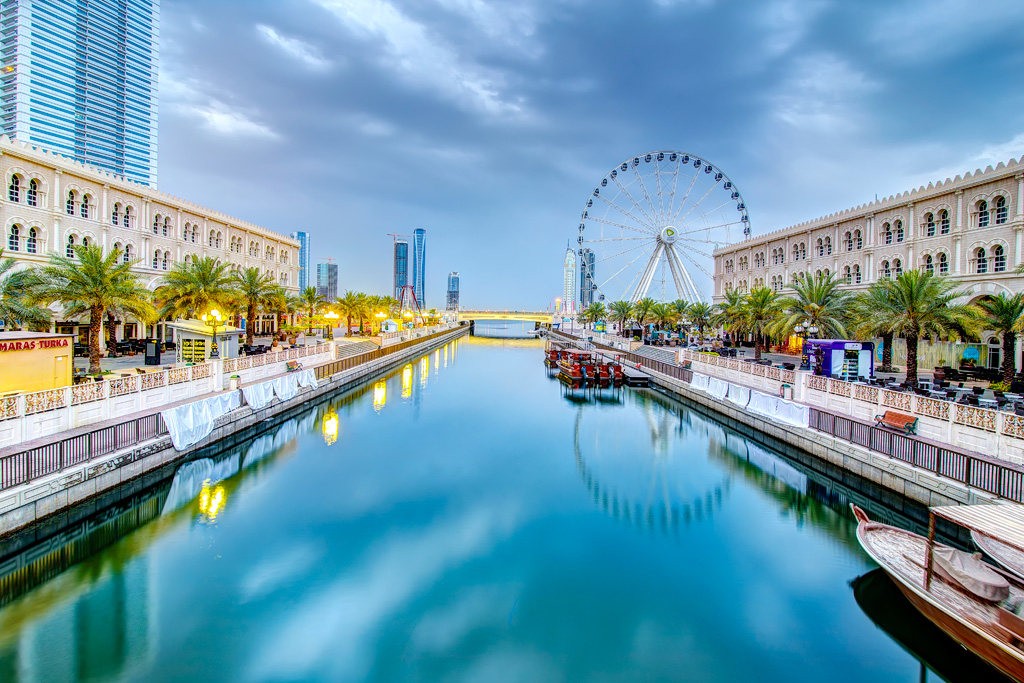
Rail keeps adding ways to arrive slowly. La Dolce Vita Orient Express begins a five-day Rome to Istanbul itinerary this month, and Saudi Arabia’s Dream of the Desert is due late in the year, Business Traveller reported. At the useful end, European Sleeper added an Amsterdam, Brussels, Bern and Milan night train in June, and Etihad Rail’s passenger service is to link Abu Dhabi, Dubai, Sharjah and Fujairah this year, according to National Geographic. That last one matters in January, when the Sharjah Biennial opens.
Flights
An art trip has a fixed point that a beach holiday lacks: the preview day. Everything about the flight follows from it.
The averages favor patience. Expedia’s 2026 data puts the lowest international fares 8 to 15 days out and a calmer saving at 31 to 45 days, and names August as the cheapest month to fly, about 29% below December. None of this survives contact with a fair week. When 272 galleries and their clients converge on one airport, as they will on Miami in early December, the seat map behaves like the fair itself: the good positions go first. The working rule is to book the outbound flight as soon as the dates are public, keep the return flexible, and read the last-minute advice for Miami if the rule has already been broken.
A second rule: arrive the day before the thing you came for. Opening days are the ones that cannot be rebooked.
The New York Times set out seven rules for air travel on September 24. The first is this page’s own: leave at least a day before anything with a fixed start. The rest: take the first departure of the day on a route flown several times daily, fly nonstop when the price gap is bearable, book with the airline instead of an online agency, allow more than an hour between connections, keep the airline’s app alerts on, and buy insurance. First flights run more than 10 percentage points better on punctuality, Anna Brown of Going.com told the Times. The Times also named Europe’s new Entry/Exit System among the causes of delay, a reason to lengthen any connection on the way to Venice or Basel.
“More flights means more chances to get rebooked.”
— Anna Brown, travel expert at Going.com, as quoted in The New York Times, September 24, 2026
A long connection is a small free city break, provided the airport cooperates. The New York Times ran a guide in March, “7 Hours in a City? You’ve Got Time to Sightsee.” Its advisers prefer airports within 45 minutes of the center and one or two plans, not a schedule. For art, four airports earn the detour.
The arithmetic for leaving any airport is unforgiving. Subtract immigration both ways, the transfer both ways and a security line, and a six-hour layover holds about two hours of city. Check visa rules for the transit country first, and leave the checked bag checked.
Premium cabins sell sleep, and sleep is worth most on the overnight flight that lands on preview morning. Business class with a flat bed does that job. First class, where it survives, sells privacy and ground service: the Air France suite described above is one of four on the aircraft. The sensible test is the first day on the ground. If it holds eight hours of standing in a tent, pay for the bed; if it holds a nap and dinner, premium economy and an early night will serve.
Rights depend on where the flight starts and who operates it. Two regimes cover most art itineraries.
European Union. The rules cover any flight departing the EU and flights into the EU on EU airlines. A delay of three hours or more at the final destination, or a cancellation, can bring fixed compensation of €250, €400 or €600 depending on distance, unless the airline proves extraordinary circumstances such as weather or air traffic control decisions. Meals, a hotel when needed and transport to it are owed regardless, as Your Europe, the EU’s official portal, sets out.
United States. There is no delay compensation for domestic itineraries, the Department of Transportation notes in its Fly Rights guide. There is a refund right: a passenger who declines the alternative offered is owed money back when a flight is canceled or significantly changed, which the department defines as a domestic arrival three or more hours late or an international one six or more hours late. Refunds are due within seven business days on a card, per the department’s refunds page. Passengers bumped against their will are owed up to 400% of the one-way fare, capped at $2,150.
Claiming is a matter of paperwork: boarding pass, booking reference, the delay as recorded, receipts. Airlines accept claims directly and at no charge. Travelers who would rather hand the file to a claims service, which takes a share of any payout, can try Compensair. For rebooking in a hurry, Kiwi.com searches combinations of carriers that do not sell each other’s seats; remember that separate tickets mean separate responsibilities if the first leg runs late.
Three currencies are in play. Airline miles are earned by flying or spending and are redeemed for seats on that airline and its partners. Hotel points work the same way for rooms. Bank points, earned on certain credit cards, are the flexible kind: they can be moved to a list of airline and hotel programs, called transfer partners, usually one way and for good.
Alliances are why the miles of one airline can buy a seat on another. Oneworld, SkyTeam and Star Alliance each group a set of carriers, so a traveler loyal to one member can book, earn and use lounges across the group. Status is separate from the balance: it is a tier earned by a year’s flying or spending, and it buys the things that matter in a disrupted fair week, namely priority rebooking, a second checked bag and a shorter line.
What a point is worth depends entirely on what it is spent on, and anyone quoting a single figure is selling something. Two habits are enough for most people. Credit every flight to one program per alliance. And look at award seats before paying cash for peak weeks, because fair-week cash fares are high and award charts do not always notice.

Arrive the day before the thing you came for. Opening days are the ones that cannot be rebooked.
— Biennale Traveller, house rule no. 1Trains
Between art cities a few hundred kilometers apart, the train wins on the measure that matters: door to door, with a catalog open on the table.
Northern Italy’s autumn runs along one railway. Trenitalia’s Frecciarossa and the private Italo both work the Turin, Milan, Verona and Venice line, and their rivalry has raised quality and lowered fares, in the judgment of The Man in Seat 61. That puts the last weeks of the Venice Biennale, Milan’s museums and Artissima in Turin, October 29 to November 1, on a single ticket-buying session. Venezia Santa Lucia station opens directly onto the Grand Canal, which no airport can claim. Check times with the operators; this page gives none it has not verified.
TGV Lyria runs from Paris Gare de Lyon to Basel SBB in about 3 hours 4 minutes, with fares from €29 in second class, according to Seat 61. In June that is the Art Basel commute. In October it runs the other way, bringing Basel to Paris for the fair.
Eurostar’s fastest London to Paris trains take about 2 hours 15 minutes from St Pancras to Gare du Nord, and check-in closes 30 minutes before departure, Seat 61 notes. Direct trains reach Amsterdam in about four hours. Frieze closes in London on Sunday, October 18; Art Basel Paris runs Friday to Sunday, October 23 to 25. The days between are what the train is for.
The fastest Nozomi covers Tokyo to Kyoto in 2 hours 18 minutes, with departures every 15 to 30 minutes; the Hikari takes 2 hours 38 minutes and is the one a Japan Rail Pass covers without a supplement, per Seat 61. National Geographic reports that private rooms with closing doors return to the Tokaido line this autumn for the first time in two decades.
Nicholas Yong made the trip for The New York Times in March 2026: about 1,200 miles on six trains in seven days, for $135 in tickets. It begins with the five-minute Shuttle Tebrau and ends with a 15-hour sleeper from Hat Yai into Bangkok, about 1,800 baht in first class. Two stops reward an art traveler: George Town, the UNESCO-listed capital of Penang, where Ernest Zacharevic’s six street murals of 2012 have drawn others around them, and Bangkok’s Song Wat district of shophouses, cafes and street art. The Bangkok Art Biennale runs to February 28, so the slow route fits inside the 30-day visa-free stay.
Washington, Philadelphia, New York and Boston sit on one line, each with its museums a short ride from the station. Amtrak’s NextGen Acela trains, with a stated maximum speed of 160 miles per hour, now run on selected departures. Station to station, city center to city center, with no liquids rule.
Amtrak will still couple a privately owned railcar to its trains. Owners pay an annual registration fee and a mileage charge, and the railroad supplies power, water and switching, according to its private car page. The New York Times rode one from Chicago to St. Louis and reported in September that Amtrak’s charge from October 1 is $4.91 a mile for the first car, against $2.90 in 2017, and that one owner charters a dome car with a sleeper for $16,000 a day. They are the rail equivalent of chartering: unnecessary, and hard to forget.
The New York Times’s T Magazine reported in January that the Venice Simplon-Orient-Express carries a suite by the French artist JR that fills a 75-foot carriage, that Orient Express is restoring carriages of the 1920s and 1930s under the Paris architect Maxime d’Angeac for service in 2027, and that spas have moved aboard.
“It really is a blast to have a full-body massage on a rolling train.”
— Eleanor Flagler Hardy, president and co-founder, Society of International Railway Travelers, as quoted in The New York Times, January 6, 2026
“The central question was not whether art should be political, but how.”
The Biennale Book, on the Berlin BiennaleHotels
A grand hotel is a public building with bedrooms attached. The lobby, the bar, afternoon tea and often the spa are open to anyone who books a table, and during a fair week they are where half the business is done. The Chancery Rosewood lists eight restaurants and bars, among them an afternoon tea room and a café, and none requires a key. The New York Times listed six such hotels in September. In London, The Goring holds a free jazz evening on Thursdays, with no reservations. In New York, the Gold Room at the Lotte New York Palace keeps Stanford White’s design and John La Farge’s lunette paintings. In Paris, La Réserve pours four vintages of Cos d’Estournel in a 90-minute tasting for €145. The method is simple: reserve, dress for the room, and order something.
Convents and monasteries have taken paying guests for centuries, and the sector is larger than most visitors suspect: about 3,000 houses and 193,945 beds across Italy, with Lazio in the lead at more than 31,000, Il Sole 24 Ore reported, drawing on the Italian religious hospitality association. Its Rome examples run from €60 to €100 a night, with the House of Santa Brigida at €120 for a single. Each house sets its own rules, and some keep a curfew, which suits anyone due at the Vatican Museums at opening. The New York Times profiled five of them in April and reported about 350 church-run houses in Rome, where a double averages €90 a night against €190 in a hotel, by the Italian Religious Hospitality Association’s estimate. Casa di Santa Brigida is near Palazzo Farnese; the guesthouse at Trinità dei Monti stands at the top of the Spanish Steps.
“When a guest feels this inner peace, we have reached our justification.”
— Mother Gertrude Panakal, mother superior, Casa di Santa Brigida, as quoted in The New York Times, April 1, 2026
The first hour sets the tone. Where a train runs from the airport, take it. Where it does not, or where the flight lands late with luggage, a booked car at a fixed price removes the negotiation. Kiwitaxi and GetTransfer both quote before travel. Venice is the special case: the airport is on the mainland, the hotel is not, and the choice is between the public water bus, a shared boat and a private water taxi. Decide before landing.
Some travel links earn Biennale a commission; see the Affiliate Disclosure.
Luggage and Kit
A fair day is six hours on a hard floor. A biennale day is the same, outdoors, with bridges.
Shoes first: broken in, cushioned, and dark enough for dinner. Fair tents and convention halls are cold in the morning and warm by three, so dress in layers that come off without ceremony. Carry a tote that closes, because it will hold catalogs by noon, and a battery, because the phone is the ticket, the map and the notebook. Cards, a pen, and one outfit that can go from the booth to the opening without a hotel stop.
Venice in the last weeks of the Biennale is damp, and the Giardini and Arsenale are largely on foot. Add a waterproof layer, shoes that tolerate wet stone, and a bag that leaves both hands free on a vaporetto. Gwangju and Bangkok ask for the opposite: breathable fabric and a light layer against air conditioning. In every case, travel with one bag fewer than seems necessary. It will be needed on the way home.
Frieze week is spent on foot, and a swim undoes some of it. The pilot Mark Vanhoenacker chose six London swims for The New York Times in September. The first is architecture: Zaha Hadid’s London Aquatics Centre in Stratford, built for the 2012 Olympics, from about £8. London Fields Lido in Hackney is heated and costs about £7. Sea Lanes Canary Wharf, opened in June, floats unheated in a dock beside the Thames.
An eSIM bought before departure avoids both roaming charges and the airport kiosk. Airalo sells country and regional data plans that install over Wi-Fi; check first that the phone is unlocked and supports eSIM. Download the fair map and tickets while still on hotel Wi-Fi. Convention-center signal on opening day is a known casualty.
Cabin rules are the airline’s alone. The International Air Transport Association says plainly on its baggage page that it plays no role in setting them, and that they vary with route, fare and status. So measure the tube or portfolio, read the carrier’s limits for that exact fare, and ask at the gate rather than assume. A rolled print in a rigid tube usually travels as the one personal item; a framed work rarely travels as anything.
For anything larger, heavier or more valuable than a print, let the gallery ship it. Galleries at fairs deal with fine art shippers daily, and the invoice, packing and insurance arrive as one arrangement. Catalogs are the quiet problem: ten of them weigh more than a suitcase allowance forgives. Post them home from the fair’s shipping desk or leave the heavy ones as a list of ISBNs.
At the border, declare what was bought and keep the invoice with the work. Duty and tax treatment of art differs by country and by what the object is, and some countries require an export license for older works. Customs authorities publish the rules; a gallery or shipper will know the ones that apply. This page could not reach the United States customs site while reporting, so it gives no figures. Confirm with customs
Ten pavilions in, memory fails. A notebook fixes it: the artist’s name, the room, one sentence on why it held attention, a ticket stub taped in. The New York Times published a method in July that suits a preview day: begin each entry with the date, time, weather and place, index the first two pages by museum name, and write for a timed 15 minutes each night without editing. My Biennale keeps the digital version, with saves and notes attached to exhibitions, in the MY area. For paper, the Biennale shop has notebooks and stationery and the totes and accessories to carry them in.
Planning
Chat assistants are good at drafts: a first itinerary, a packing list, a sequence of neighborhoods that does not cross the city four times. They are unreliable on facts that change, which in the art world is most of them. Opening hours, ticket prices, preview days and whether an exhibition has already closed should come from the organizer. Give the tool the fixed points, such as dates, hotel and the three things that must be seen, ask for a route between them, and verify every time and address it produces.
Seth Kugel tested ChatGPT, Gemini and Claude for The New York Times in September. Paste in a few paragraphs about your own tastes, then have the assistant ask five questions before it plans. Ask which sites it can read and demand URLs, because access differs: by his account ChatGPT and Gemini could read Reddit in full and Claude could not, and the Times blocks bots from some or all of its pages. Then check every venue. Gemini recommended a restaurant and a music venue that had closed; two bakeries from Claude turned out to be a parking lot and a Japanese restaurant.
“Think of it like working with a smart person.”
— Ethan Mollick, professor, the Wharton School, as quoted in The New York Times, September 16, 2026
A policy is worth what its claim is worth. The steps are the same everywhere, as the comparison site InsureMyTrip sets out: call the insurer’s assistance line as soon as something goes wrong, keep every receipt and the airline’s written confirmation of a delay or a lost bag, get a police report for theft, and file promptly on returning, because policies set deadlines. Read the exclusions before buying. Art bought on the trip is rarely covered by a travel policy at more than a token sum; that is the shipper’s insurance or the buyer’s own. The New York Times walked through a claim in June, with one detail for this readership: prepaid museum admission counts among the nonrefundable costs a policy can repay after a covered delay. An Allianz spokesman told the Times that missing paperwork is the main cause of slow payment.
Start months ahead. For leaving the United States, the Department of Agriculture’s pet travel service advises contacting an accredited veterinarian as soon as the trip is decided, since the destination’s tests, vaccinations and endorsed health certificate take time. For coming back with a dog, the Centers for Disease Control and Prevention sets requirements by where the dog has been in the previous six months and where it was vaccinated against rabies. Fair tents and most museums admit service animals only. The New York Times addressed travel with cats and dogs in January.
A long flight is an audio opportunity. The New York Times assembled “6 Travel Podcasts to Inspire Your Next Trip” in June. For the art itself, most major museums publish free audio guides; download the one for the first museum of the trip before boarding.
The companion site does the bookkeeping. All of it is free to use.
For the wider map, the directory lists the biennales and fairs Biennale covers, and the country hubs collect them by nation.
Where Next
Dates are from the Biennale directory, checked October 5, 2026. Confirm with the organizer before booking.
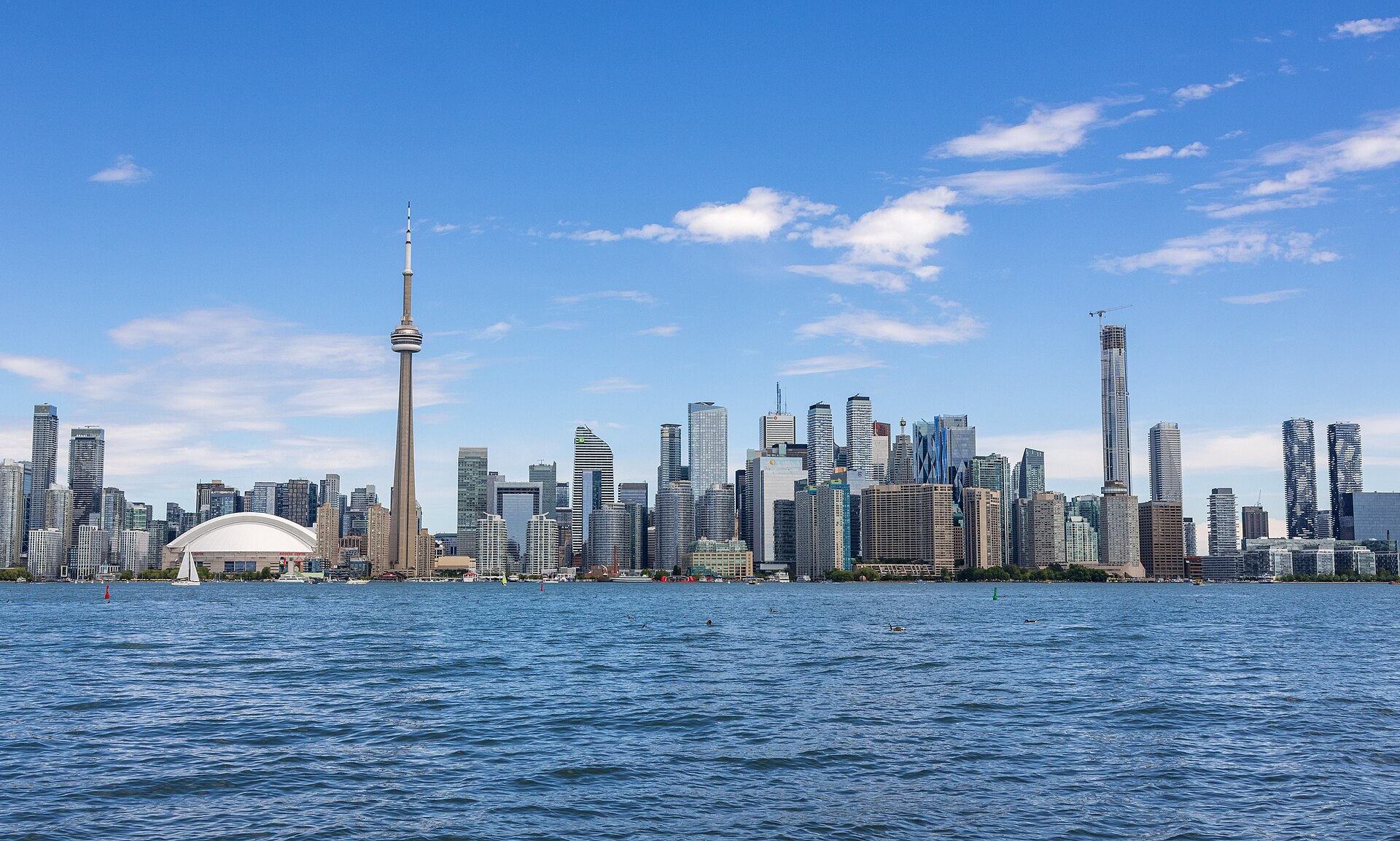
Until November 22
The last seven weeks of the Venice Biennale, with thinner crowds and lower light.
Photo: kallerna, Wikimedia Commons, CC BY-SA 4.0.
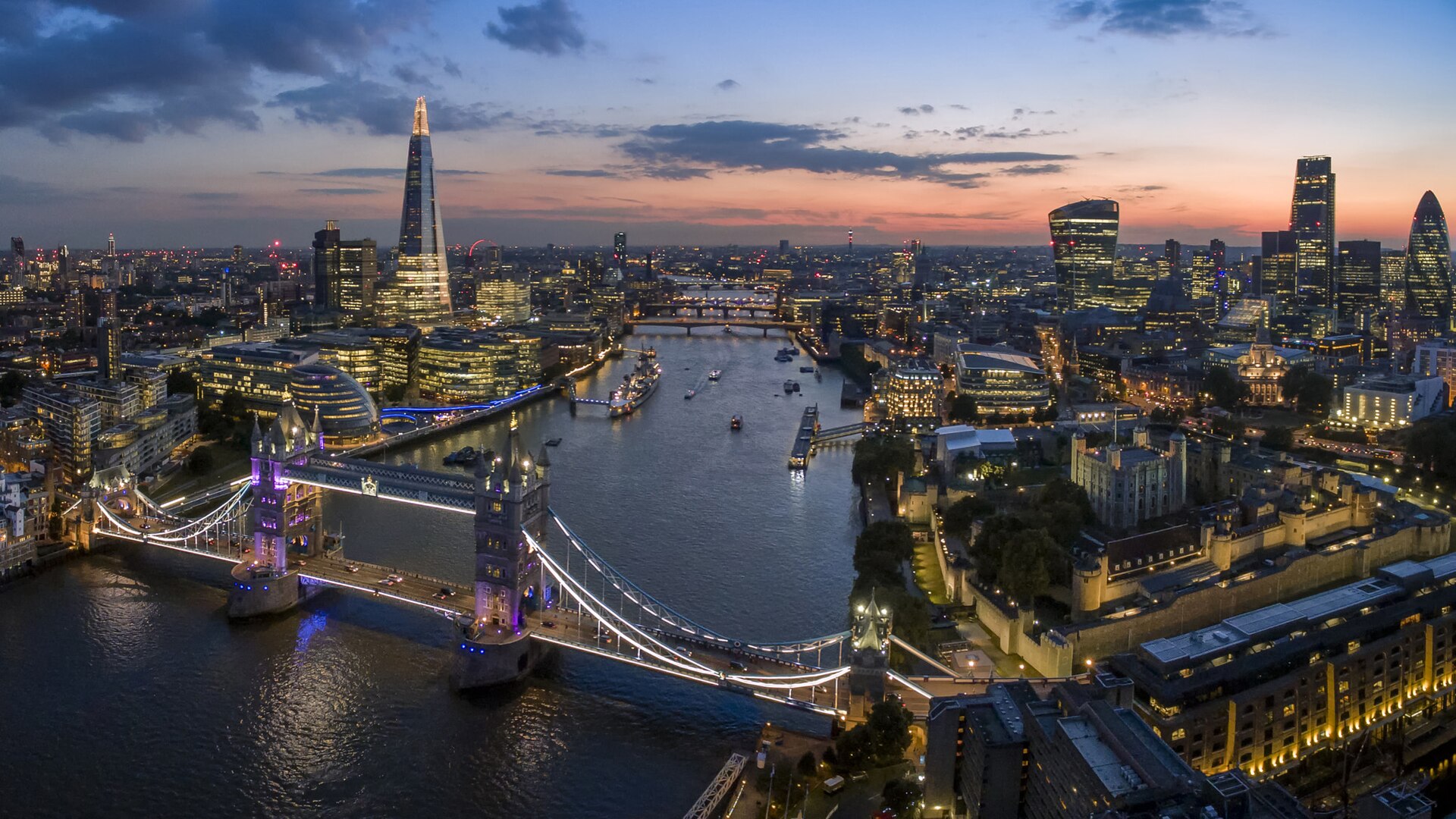
October 14–18
Frieze London and Frieze Masters, with PAD and 1-54 the same week.
Frieze LondonCityUnited Kingdom
Photo: Ilya Grigorik, Wikimedia Commons, CC BY-SA 3.0.
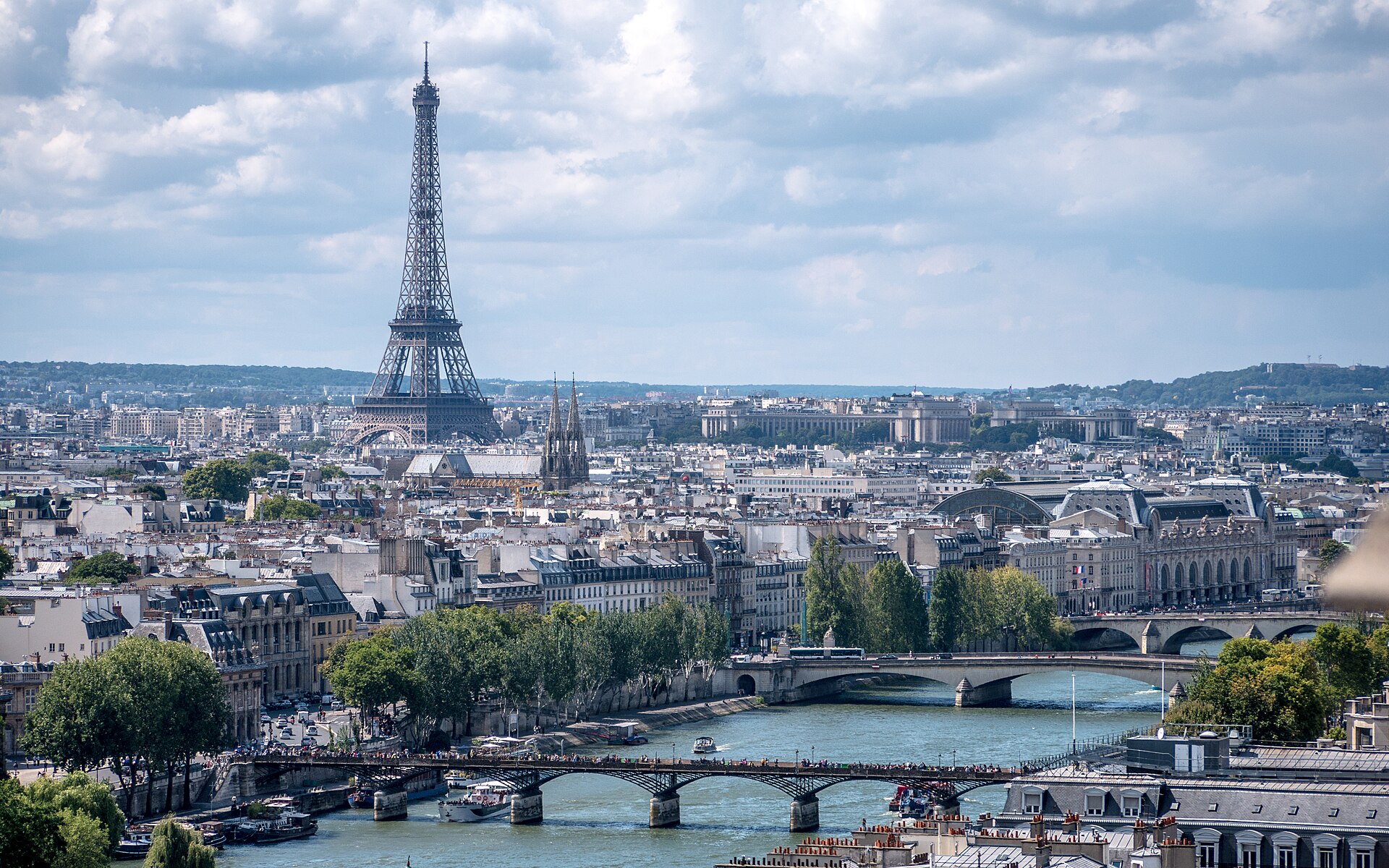
October 23–25
Art Basel Paris, with Asia Now and AKAA alongside.
Photo: Yann Caradec, Wikimedia Commons, CC BY-SA 2.0.
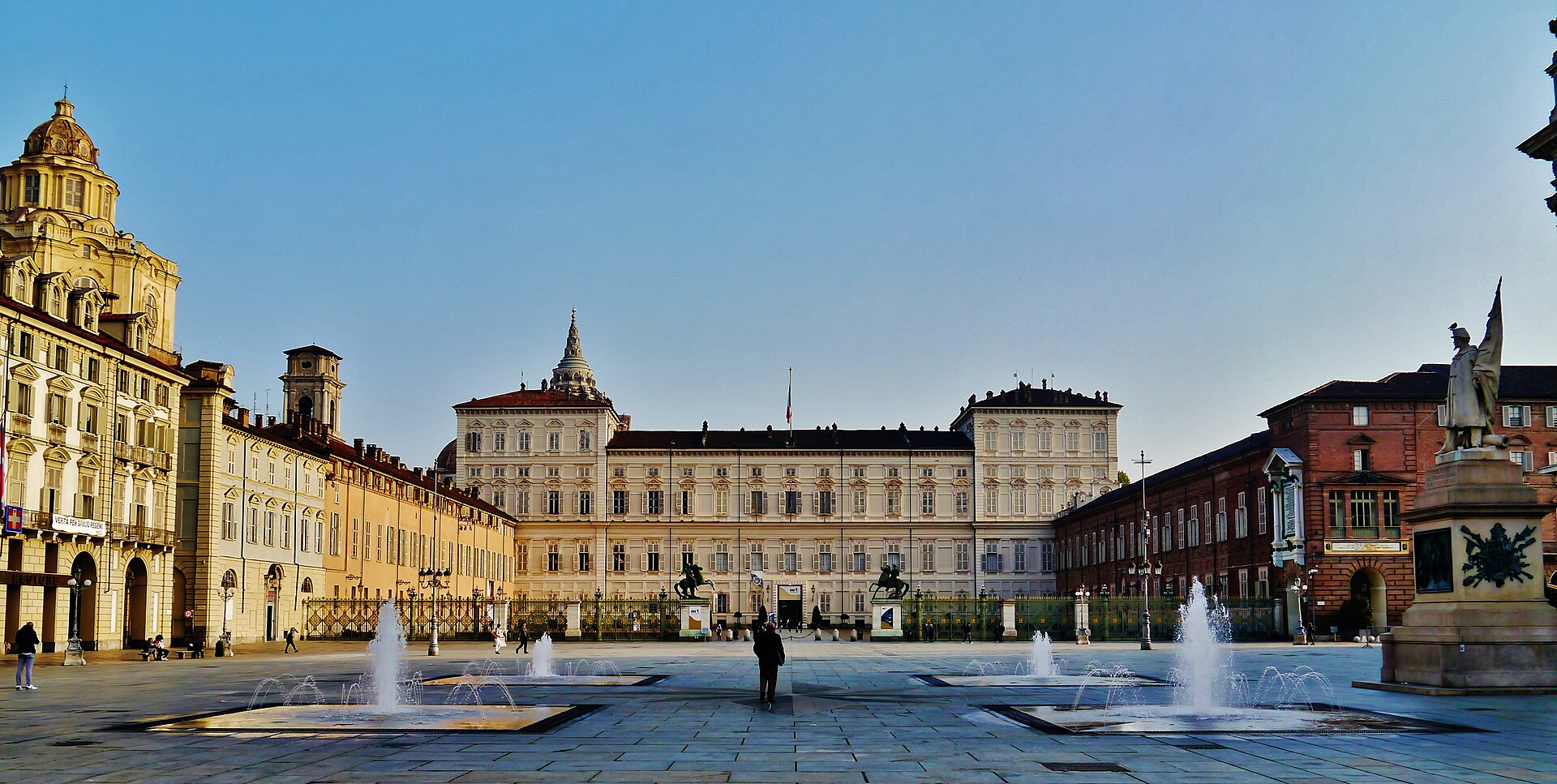
Until November 15
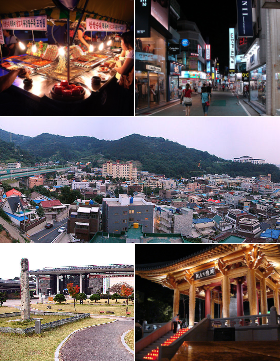
The Gwangju Biennale, with the Busan Biennale open until November 1 for a two-city trip.
Photo: ASDFGHJ, Wikimedia Commons, CC BY-SA 2.0.
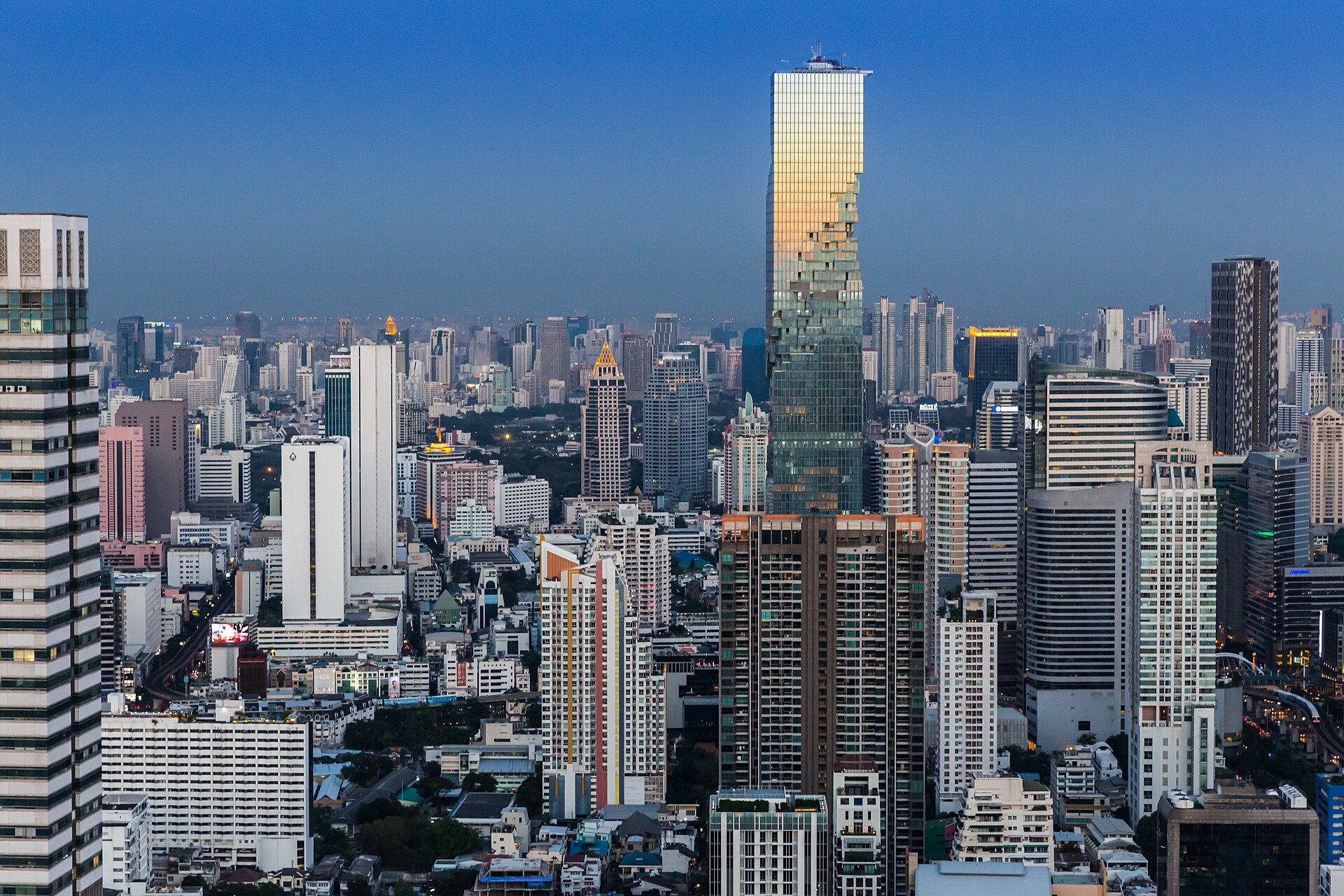
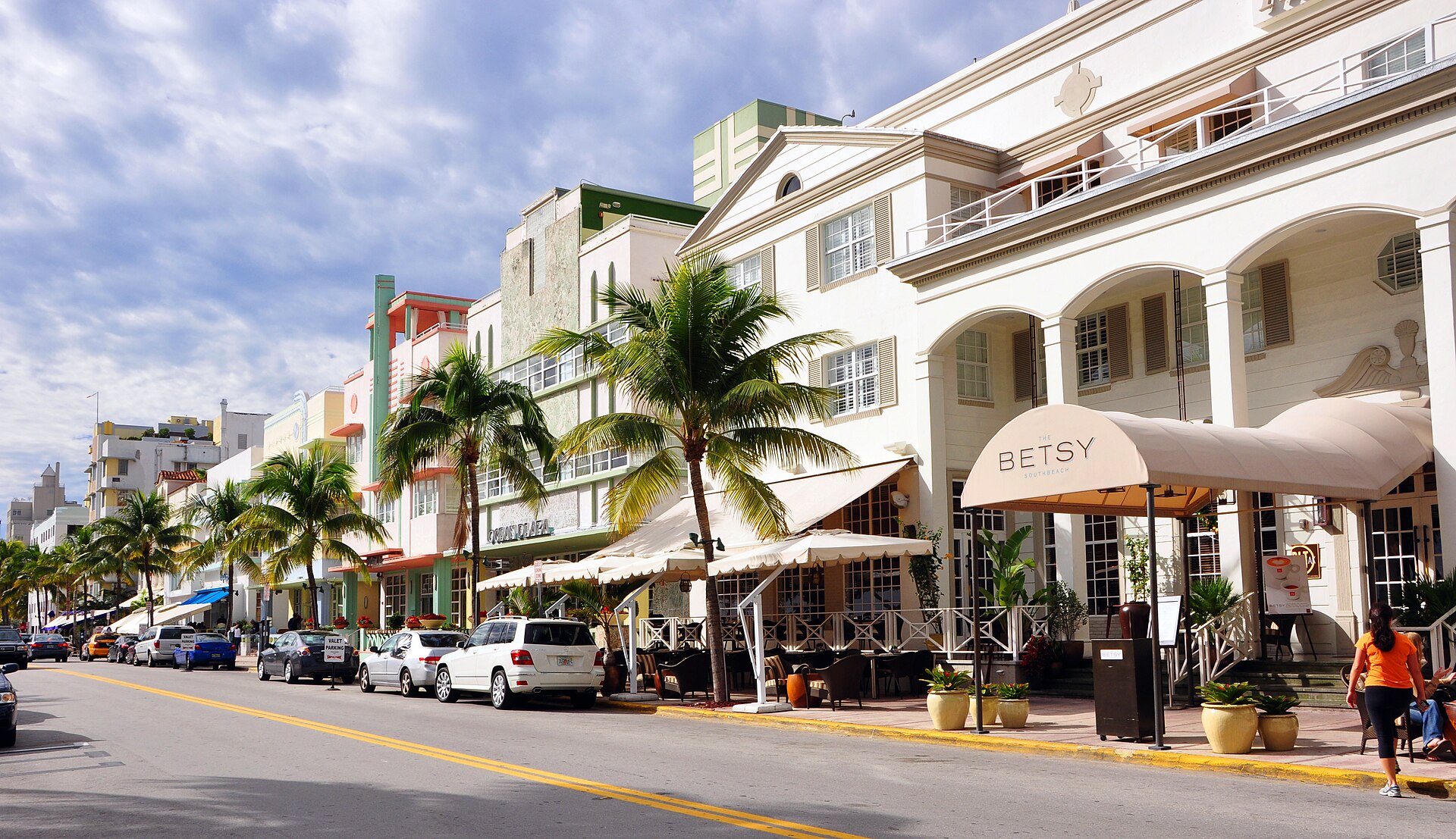
December 4–6
Art Basel Miami Beach, the anchor of Miami Art Week.
Miami Art Week guideThe fairUnited States
Photo: chensiyuan, Wikimedia Commons, CC BY-SA.
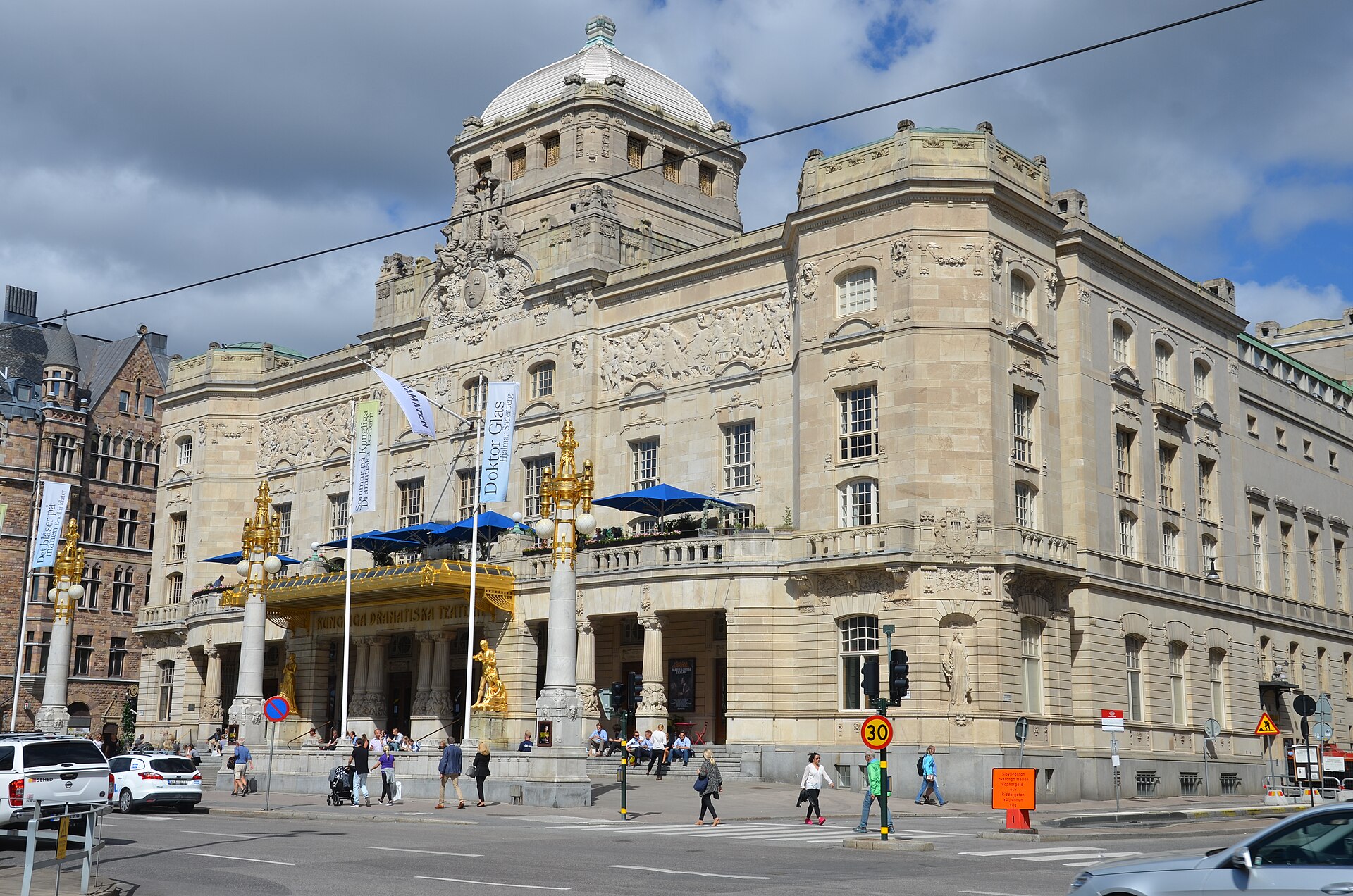
Until January 17
The Subterranean Sky at Moderna Museet, a reason to go north in the dark months.
Photo: Steven Lek, Wikimedia Commons, CC BY-SA 4.0.
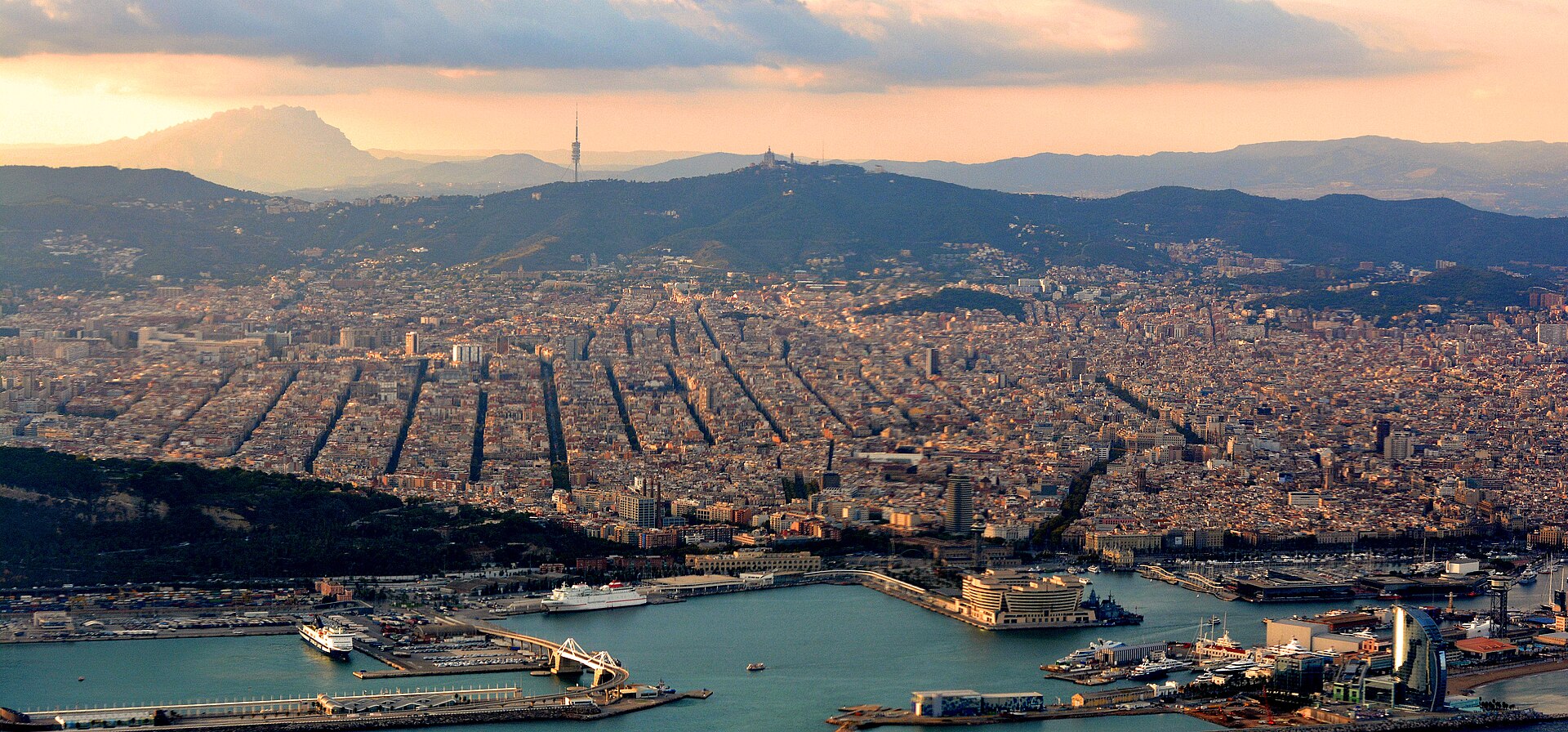
Until January 11
Spiral of Time at MACBA, on the Plaça dels Àngels.
Photo: M McBey, Wikimedia Commons, CC BY 2.0.
Six city pages have joined My Biennale, with new essays for art travelers, and reporting in The New York Times supplies a reason to open each. Bologna: porticoes for shade and a museum circuit that includes the Museo Ottocento Bologna, opened in 2023. Seville: the Museo de Bellas Artes, in two former convents, at €1.50 as of February 2026. Sapporo: Isamu Noguchi’s Moerenuma Park, 467 acres and free to enter. Cortina d’Ampezzo: the Mario Rimoldi Museum of Modern Art, with more than 300 works, Giorgio de Chirico and Giorgio Morandi among them. Phuket: the Sino-Portuguese mansions of the old town, venues for the 4th Thailand Biennale until it closed on April 30. Salvador: the actor Wagner Moura’s five favorite places, the sunset at Porto da Barra first.
The Venice Biennale has seven weeks left, in a city whose crowding the Times critic Jason Farago concedes before naming five places for art beyond the Giardini, among them the garden behind Palladio’s Redentore, open to the public since 2024. For another season, The New York Times proposed six canal cities, including Haarlem, 20 minutes by train from Amsterdam, with the Frans Hals Museum.
“Take it slowly, look past the selfie sticks, and Venice is still sublime.”
— Jason Farago, critic at large, as quoted in The New York Times, July 17, 2026
The Reading Room
Biennale Traveller is built on other people’s reporting as well as its own. These are the pieces behind this issue. Each note describes the piece in a line and is no substitute for reading it. Times articles are listed by headline, byline and date; the rest of the set read for this issue is in The Times File below.
Further reading · The New York Times
A service piece on turning a long connection into a few hours in a city.
The New York Times · Ross Kenneth Urken · March 16, 2026Further reading · The New York Times
A first-person list of five places to see art in the city, published during the Biennale.
The New York Times · Jason Farago · July 17, 2026Further reading · The New York Times
Treviso, the Veneto town the headline calls Little Venice, seen from its canals.
The New York Times · Paul Abercrombie · April 21, 2026Further reading · The New York Times
Six travel podcasts for the flight.
The New York Times · Emma Dibdin · June 27, 2026Further reading · The Man in Seat 61
Mark Smith’s standing guide to the route: times, classes, check-in and how to buy. The site’s country pages are the best free rail reference there is.
seat61.com · read October 2026Further reading · US Department of Transportation
The federal definition of a significant delay, and the deadlines by which an airline must pay.
transportation.gov · read October 2026Further reading · National Geographic
New sleepers, new lines and revived services across four continents.
National Geographic · 2026| Topic | Headline | Source | Date | In a line |
|---|---|---|---|---|
| Flights | 7 Hours in a City? You’ve Got Time to Sightsee. | The New York Times | March 16, 2026 | How to use a layover to see a city. |
| Art | My 5 Favorite Places for Art in Venice | The New York Times | July 17, 2026 | Five places for art in Venice. |
| Architecture | Beguiled by the Dreamy Streetscapes of Helsinki | The New York Times | July 31, 2026 | Helsinki, street by street. |
| Media | 6 Travel Podcasts to Inspire Your Next Trip | The New York Times | June 27, 2026 | Six podcasts about travel. |
| City guides | Street Fishing in the Canals of ‘Little Venice’ | The New York Times | April 21, 2026 | Treviso’s canals; pair with Venice. |
| City guides | 36 Hours in Bologna, Italy | The New York Times | March 5, 2026 | A weekend in Bologna; pair with Milan or Venice by train. |
| City guides | 36 Hours in Cortina d’Ampezzo, Italy | The New York Times | January 1, 2026 | A weekend in the Dolomites; pair with Venice. |
| City guides | 36 Hours in Sapporo, Japan | The New York Times | January 15, 2026 | A weekend in Hokkaido’s capital. |
The other New York Times articles read for this issue, by subject. Headlines are given as published; city names link to the My Biennale city page.
Sources. Events and dates: the Biennale directory, checked October 5, 2026. Passenger rights: Your Europe; US Department of Transportation, Fly Rights and Refunds. Rail: The Man in Seat 61; Amtrak; Ministry of Transport, Singapore; RailTravel Station. Airports: SFO Museum; Hamad International Airport; Turkish Airlines. Hotels: Rosewood Hotels; Hospitality Net. Pets: USDA APHIS; CDC. Reporting from The New York Times is attributed where it is used and linked to the article; no more than one short quotation is taken from any article, and each is credited as quoted in The New York Times. Fares, times and rules change; confirm with the operator or authority before booking. Corrections: contact@biennale.nyc.